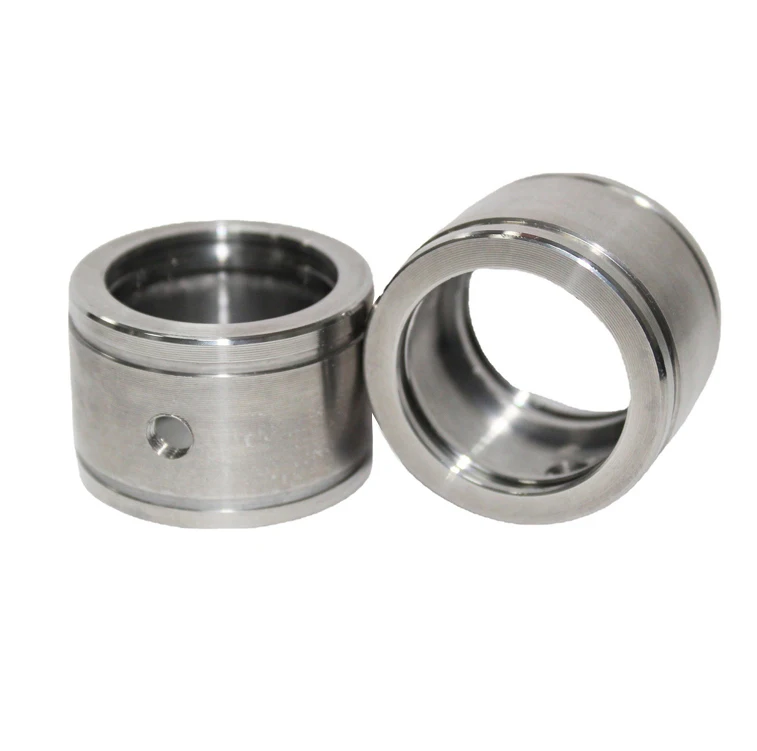
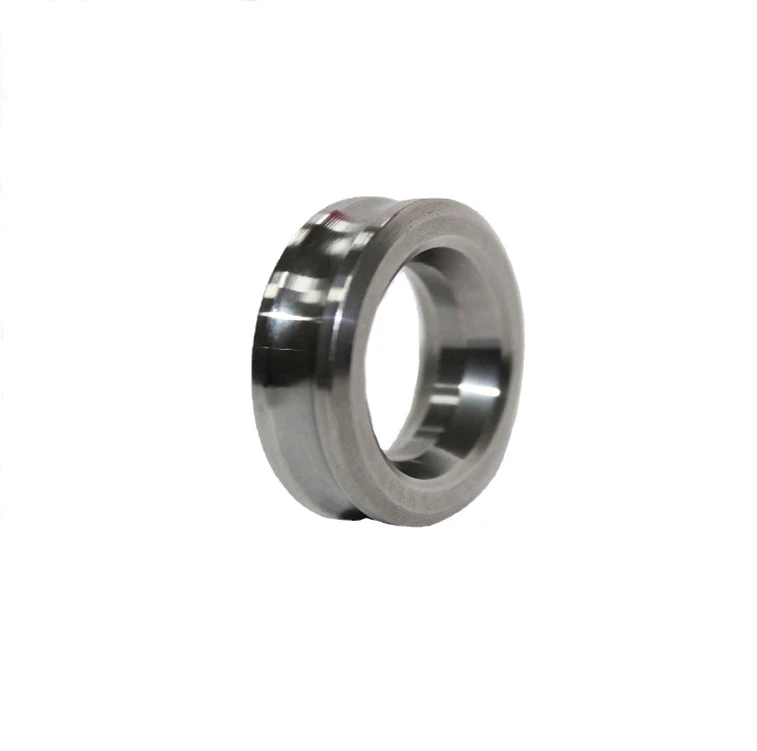
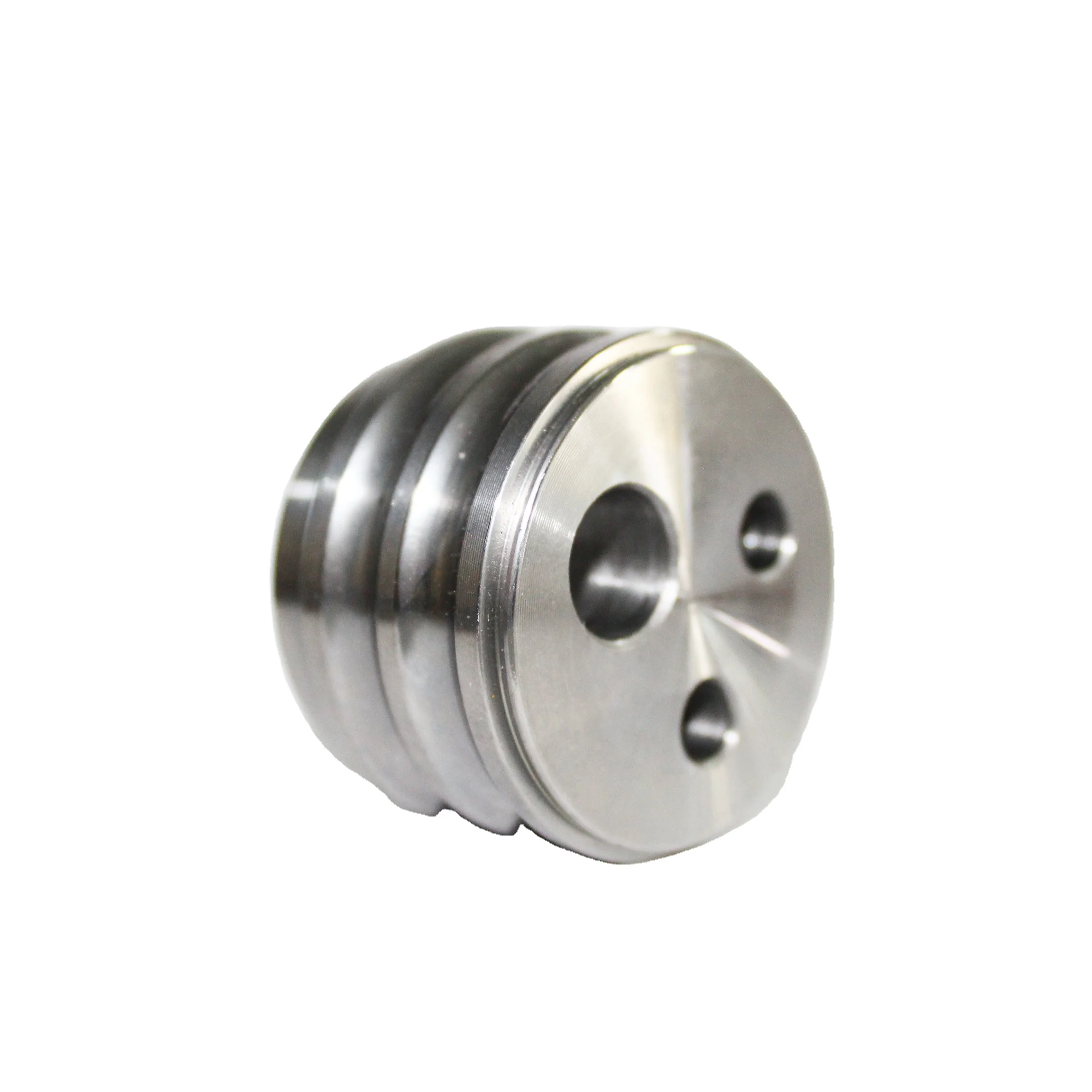
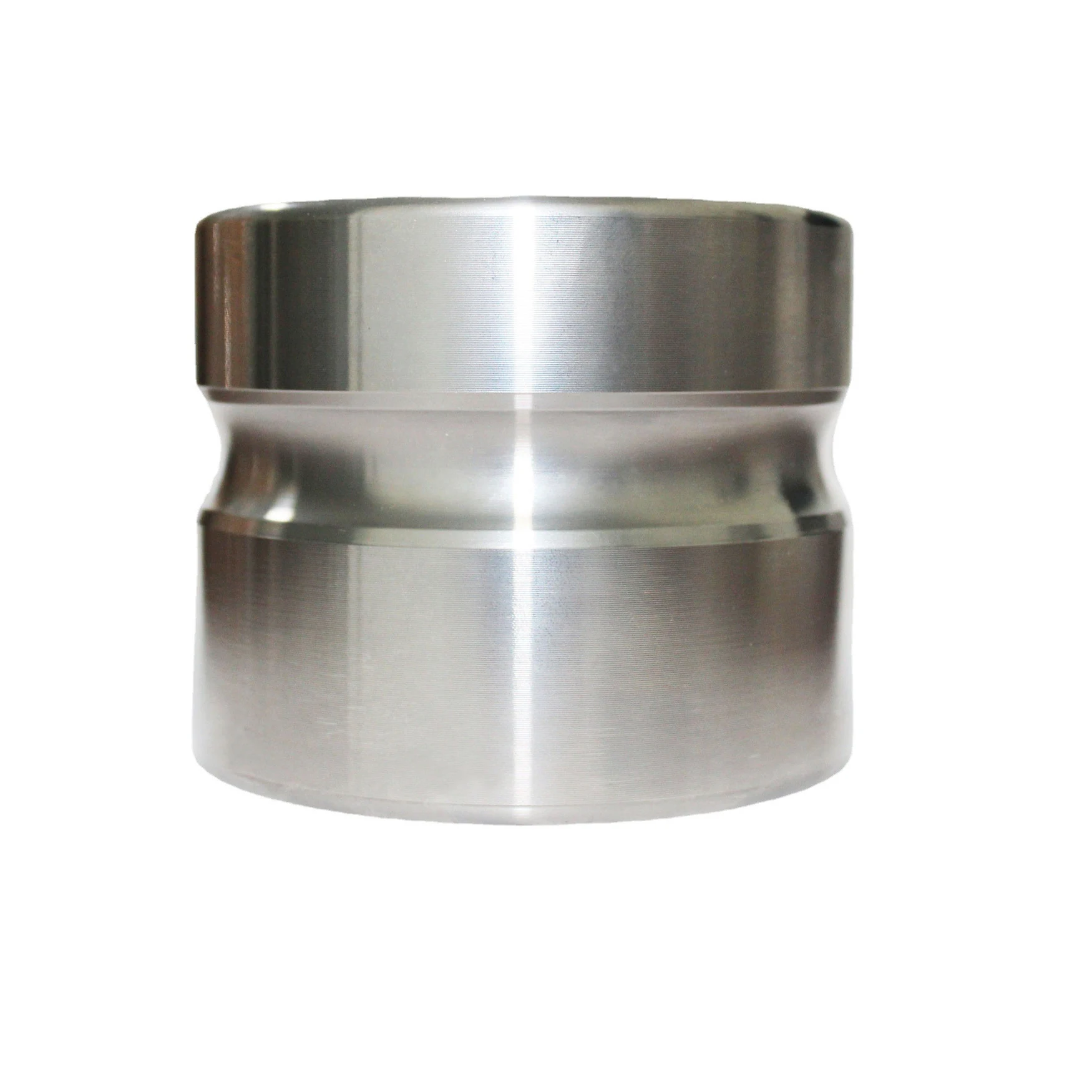
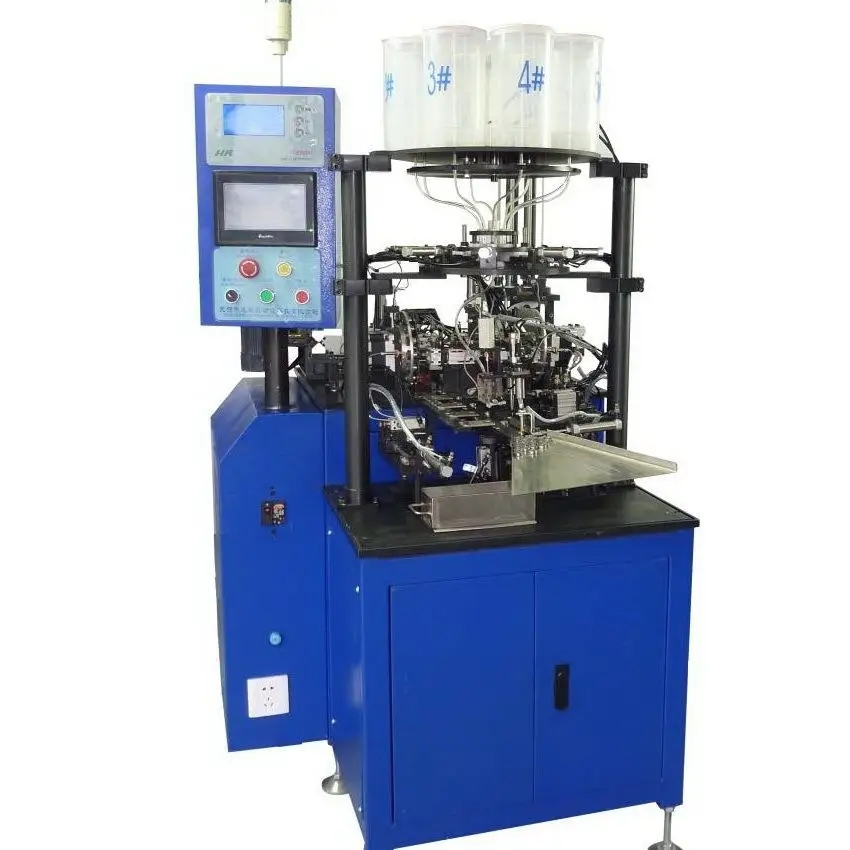
When you cycle, you can feel the refreshing breeze against your hair and the bright sun against your cheek. Cycling is an enjoyable activity, especially when it gets exciting! You can cover more ground, discover new areas and get fresh air. But what do you know about the things that are inside your bike called bearing sleeve? These little parts help your bike wheels spin smoothly and quickly. So in this beginner guide for bike bearings, CIXIHOTO is going to assist you in understanding everything about bike bearings and how you can take care of it so that you have a greater experience when riding your new bike.
Bearings generally refer to small but very important components that allow your bike wheels to roll as you pedal. They are constructed largely of metal and contain small balls within themselves that roll around freely. And this rolling action helps the wheels turn when you ride your bike. This knowledge will help you select the best bearing types for your bike. Two popular designs are cup and cone bearings and sealed cartridge bearings.
Diagonally on the Speedery — Next, you'll have to assess the size of your bearings. Not all bearing sleeve types are the same size, so it’s always important to ascertain the size that is right for your bike. You can check this down in your bike’s user manual or ask a bike mechanic for guidance. They can tell you precisely what you need.
Lubricate Work Regularly: To keep the bearings running in good condition, clean it frequently. Dust off any particles that might have accumulated on your screen with a dry cloth. If your bearings are super dirty you can use a degreaser to completely clean them. Cleaning them is key to a smooth ride.
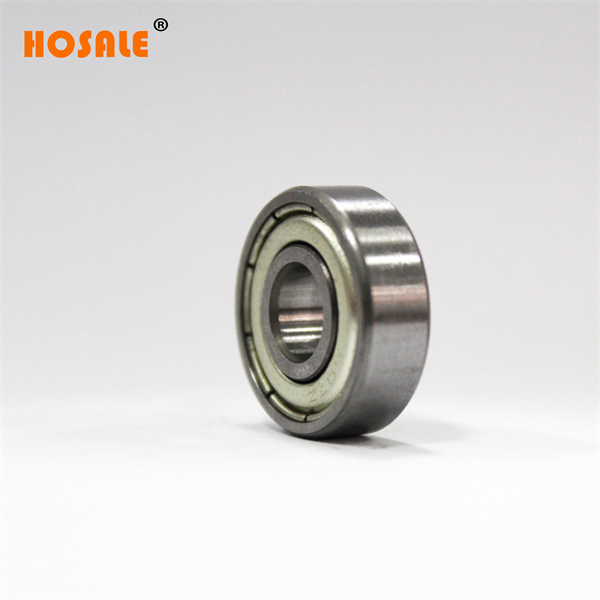
Lubricate to Show Some Love: The bike loves to be lubricated Lubrication allows your bearings to roll smoothly and easily. You can put a bit of grease on the balls and the races so they run smoother. Just make sure you don’t use too much grease; if you do dirt can attach to it and make things messy.
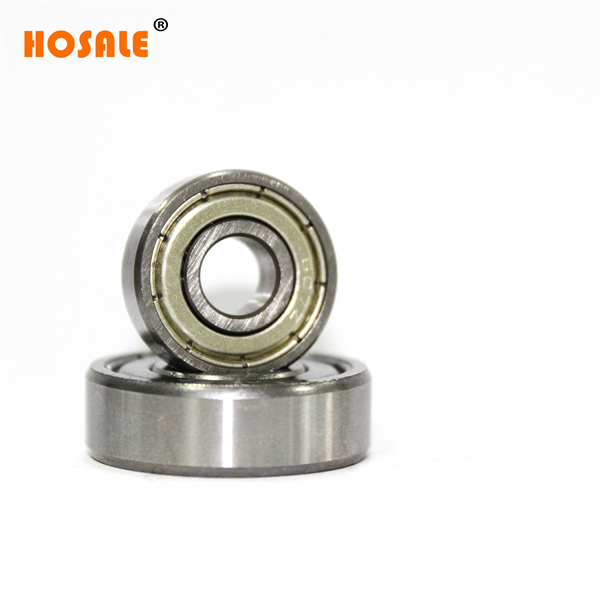
Inspect for Damage: In addition you should periodically inspect your bike bearings for signs of damage. Whenever you find that your bearings are either worn out or broken, then you should go ahead and change them. Weird sounds from your bike, vibrations when you ride, or rough feeling while pedaling. These are all indicators that your bearings are in need of care.
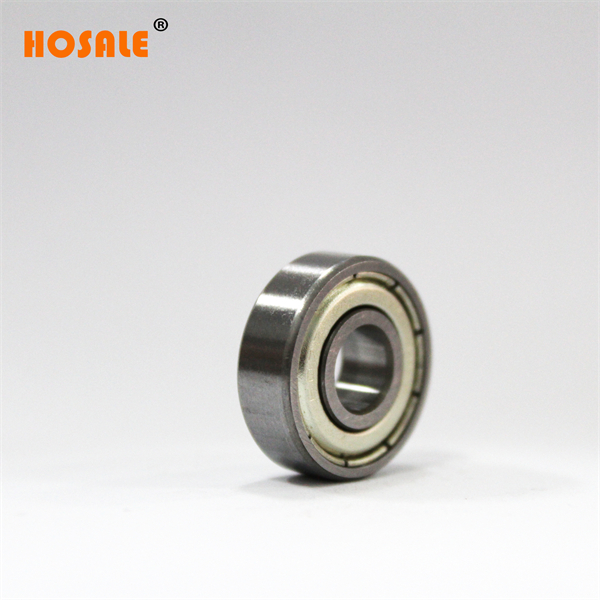
In addition to those details, consider the type of riding you intend to do, how much you weigh, and what sort of routes you’ll ride on when selecting bearings. If, for instance, you’re planning on doing lots of off-road riding, you’ll want to opt for bearings that are robust and can easily navigate sunken bumps and rough road surfaces.
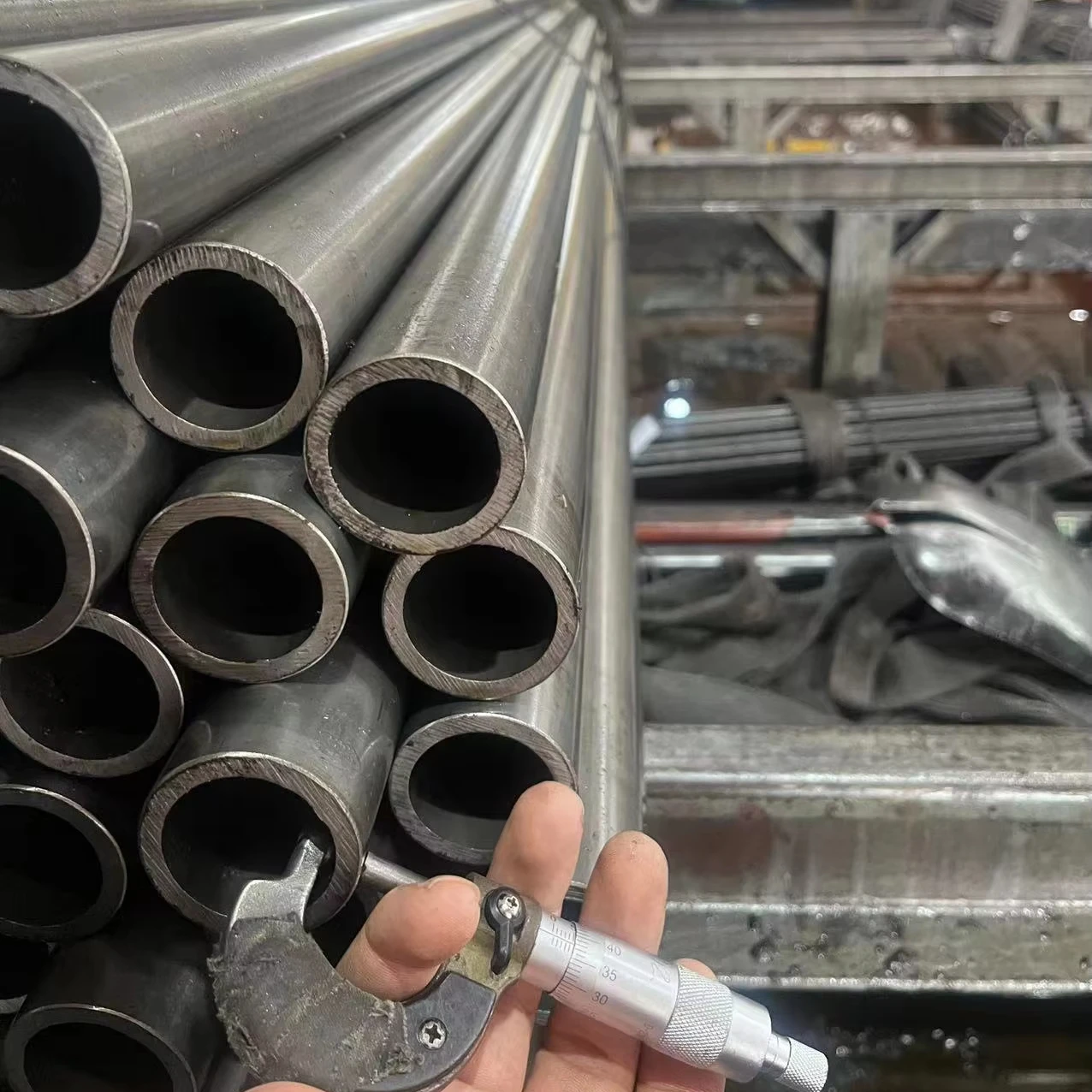
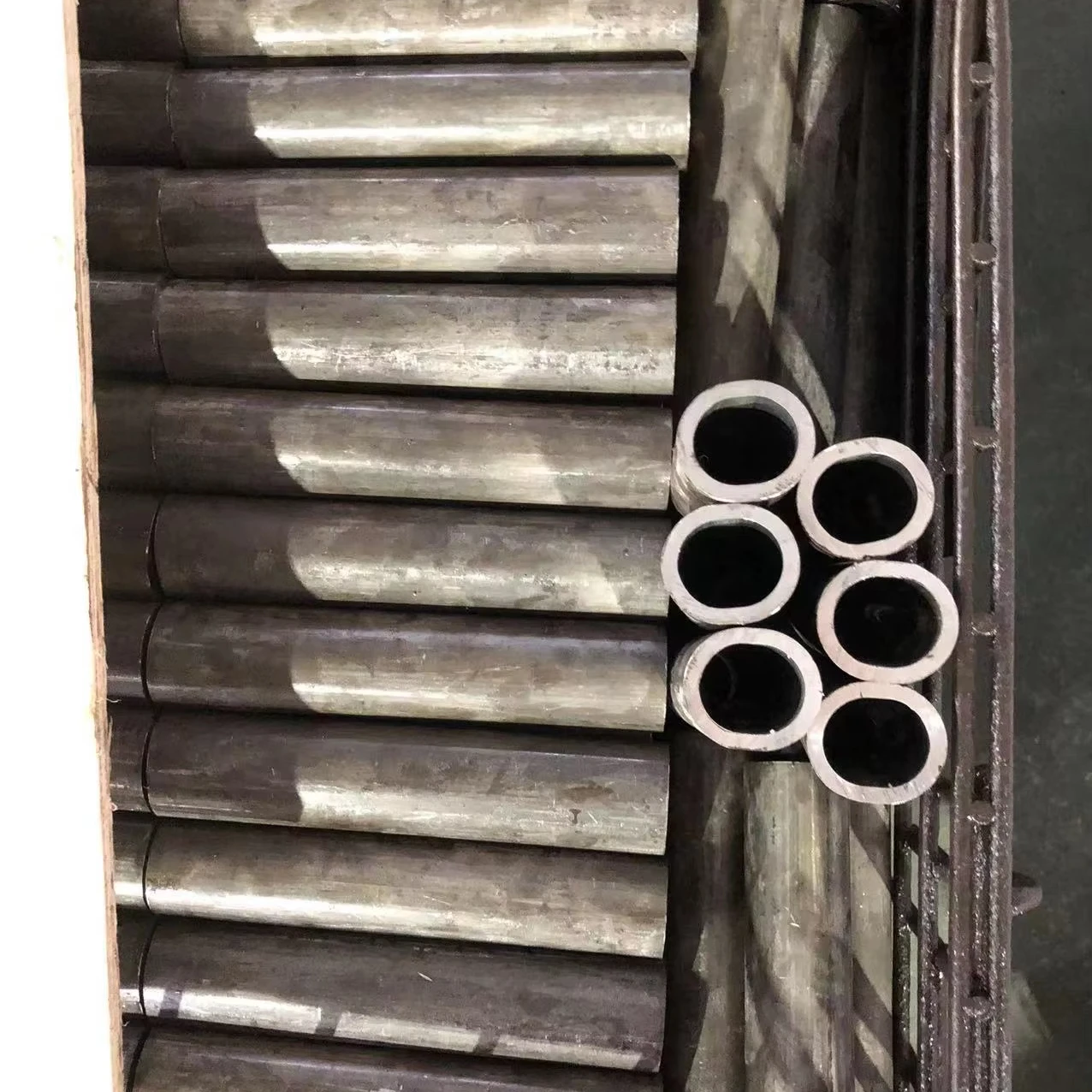
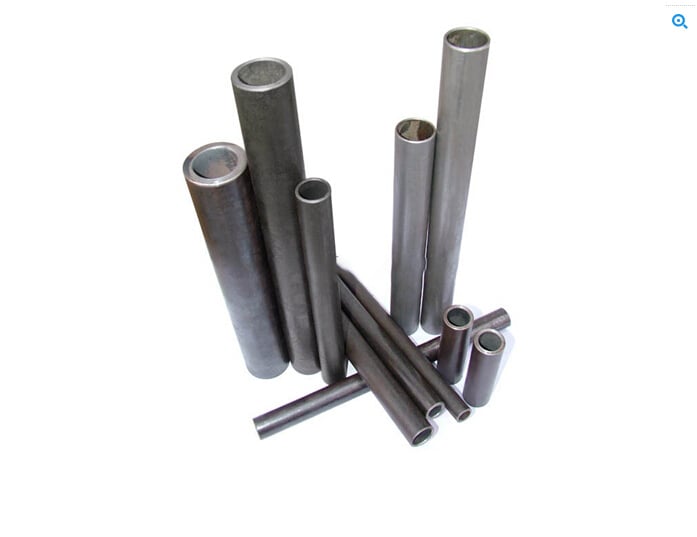
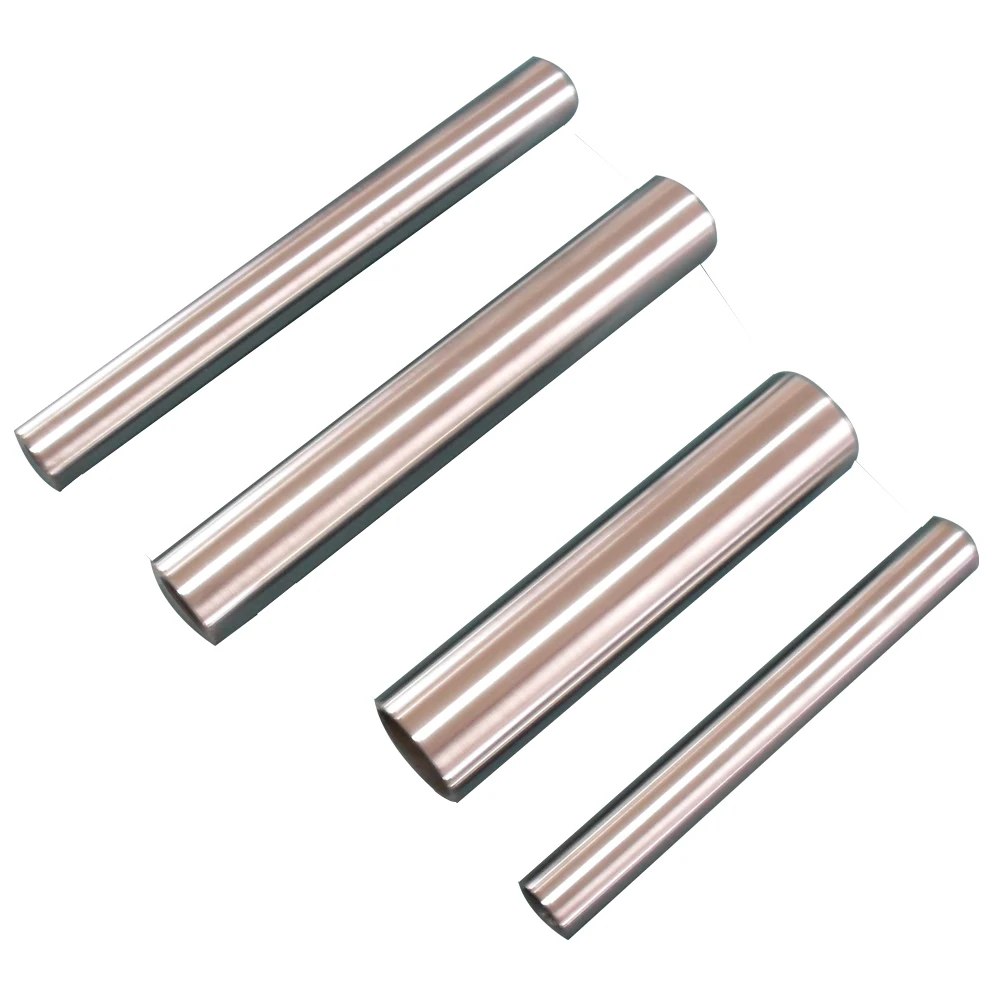
CIXI HOTO produce kinds of ball bearings, bearing component (bike bearings and sleeves, balls, seal) and steel pipe bearings and we also provide single-stop service for ball bearings as well as a solution.
CIXI HOTO completed 40 production lines, which bike bearings in the production of a rapid lead time.
CIXI HOTO is a strong quality control system. It is ISO9001 certified. ISO14001: 2016. bike bearings.
bike bearings HOTO offers thousands of bearing sleeves available in SS and Alloy grades, as well as Carbon steel and bearing steel grades.

CIXI HOTO , a professional bearings manufacturer in China. we service in ball bearing , bearing components , non-standard ball bearing and bearing equipment.
No.446, Xinxing 2 Road, High-Tech Industrial Area, Cixi 315303, Ningbo City, China
Copyright © Cixi Hoto Metallic Product Co.,Ltd. All Rights Reserved - Privacy Policy
 EN
EN