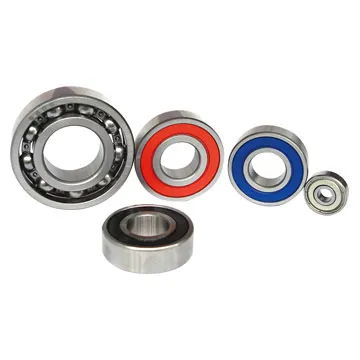
Hey kids! Based on the name, the B block isn't a bearing sleeve. It may sound like the business end of a heavy piece of machinery, but it’s in fact something very useful that makes other machines run better. So Today we are going to explore bearing blocks and how they help machines run smoothly and efficiently.
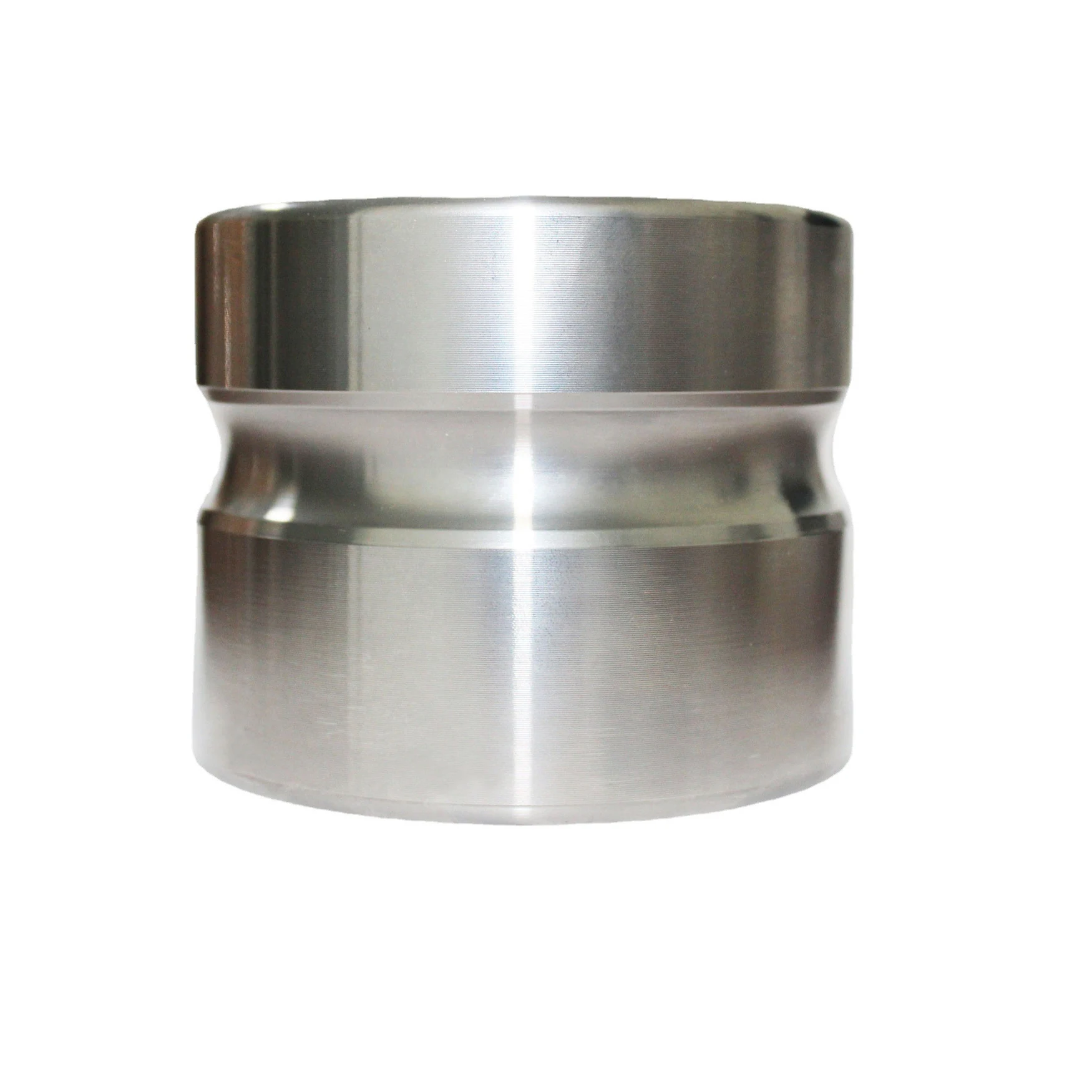
A bearing block is a basic but crucial component in many of the machines you come across on a daily basis. Its maine function is to support a shaft, which is a long spinning piece. This section is important because it allows the shaft to spin in a smooth, low-friction fashion without bumping against its surrounding components and causing damage. A bearing block consists of a base that remains stationary and a sleeve that can rotate. The sleeve hugs the shaft and moves with it, and the base holds everything still and prevents side to side movement.
Those are the easiest type of bearing sleeve types. They consist of a simple metal sleeve that rotates within a stationary metal base. Plain bearing blocks are very common and are employed in cars, bicycles, and many machines that require moving with very low friction. They are frequent in places where we don’t want things to get stuck.
These blocks are similar to plain bearing blocks, except they have small rolling elements that roll on the shaft within the sleeve. This makes for less friction, meaning less rub and smoother movement. Due to this arrangement, ball bearing blocks find utility in a variety of machines including conveyor belts, pulleys, and motors. They work well at making things rotate swiftly and with no added effort.
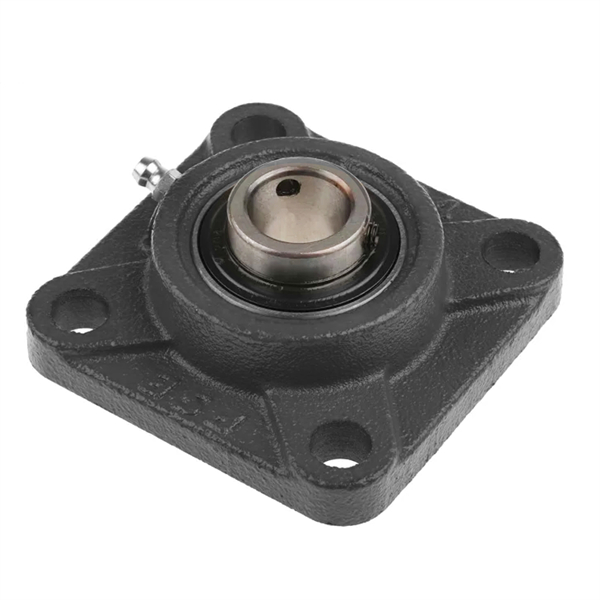
Roller bearing blocks work similarly to the above ball bearing blocks, but they have instead a round rollers inside the sleeve. The rollers allow for heavier loads similar to ball bearing blocks but in a very robust way. You find roller bearing blocks in large, heavy machines such as cranes and bulldozers where they need to support a lot of weight and allow precise slow movement.
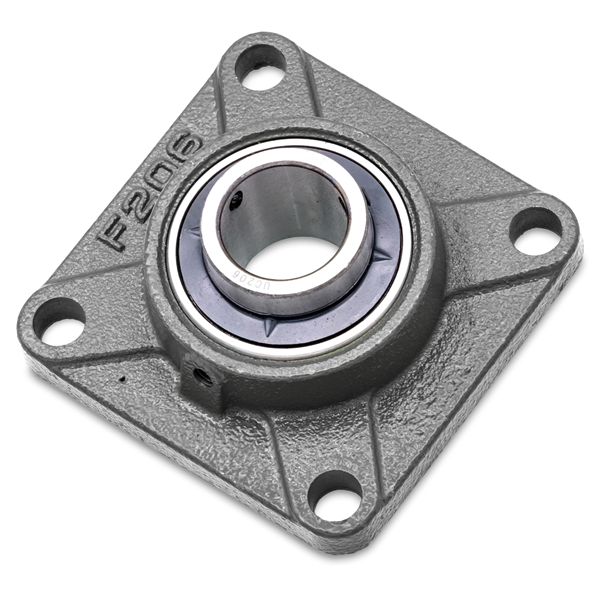
Make sure that the whole bearing block is filled with the lubricant (oil or grease). Lubrication ensures that the parts move more smoothly and do not wear out fast. Note that there are different types of lubricants, so using the type that's recommended for your bearing block type is important. A small amount of lubricant can work wonders!
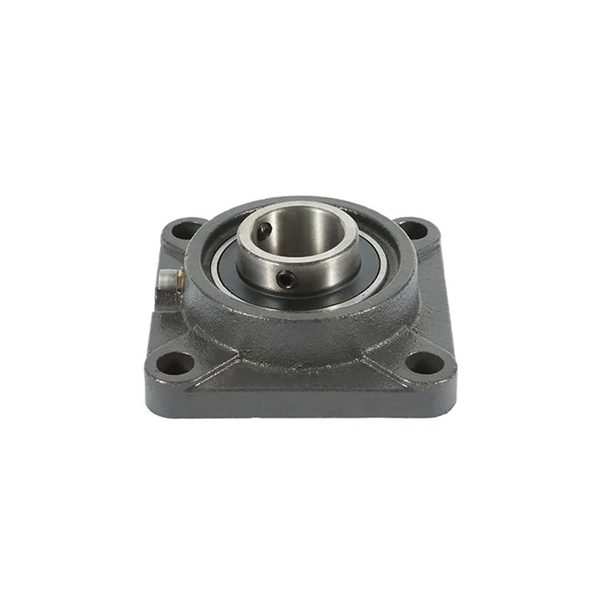
If your bearing block is loud, it may simply need lubrication or it may have worn out parts. As a first step, try adding more lubricant and see if that solves the issue. If the noise persists, inspect the components for any damaged parts (worn bearings, etc.), and replace them as necessary to see if this fixes.
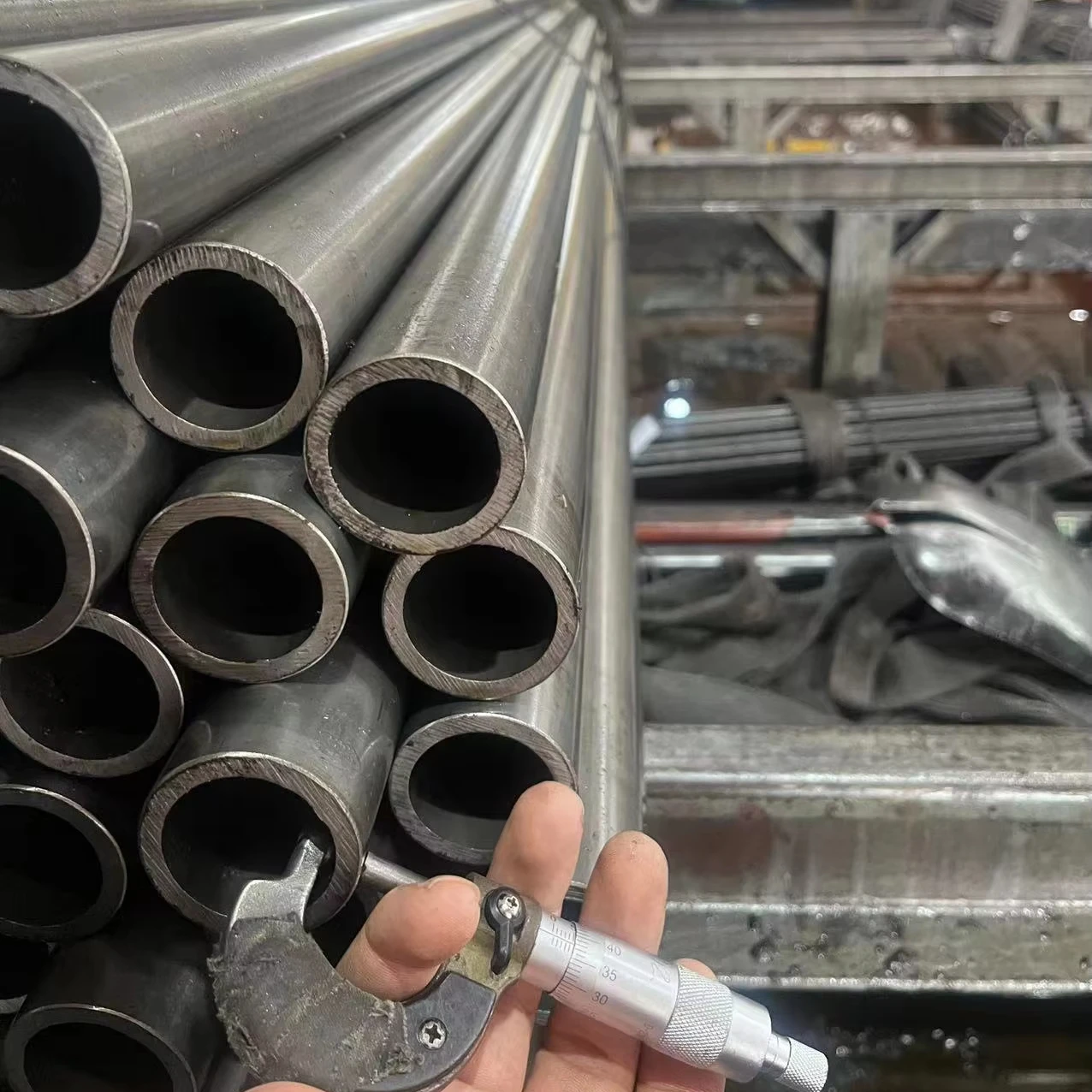
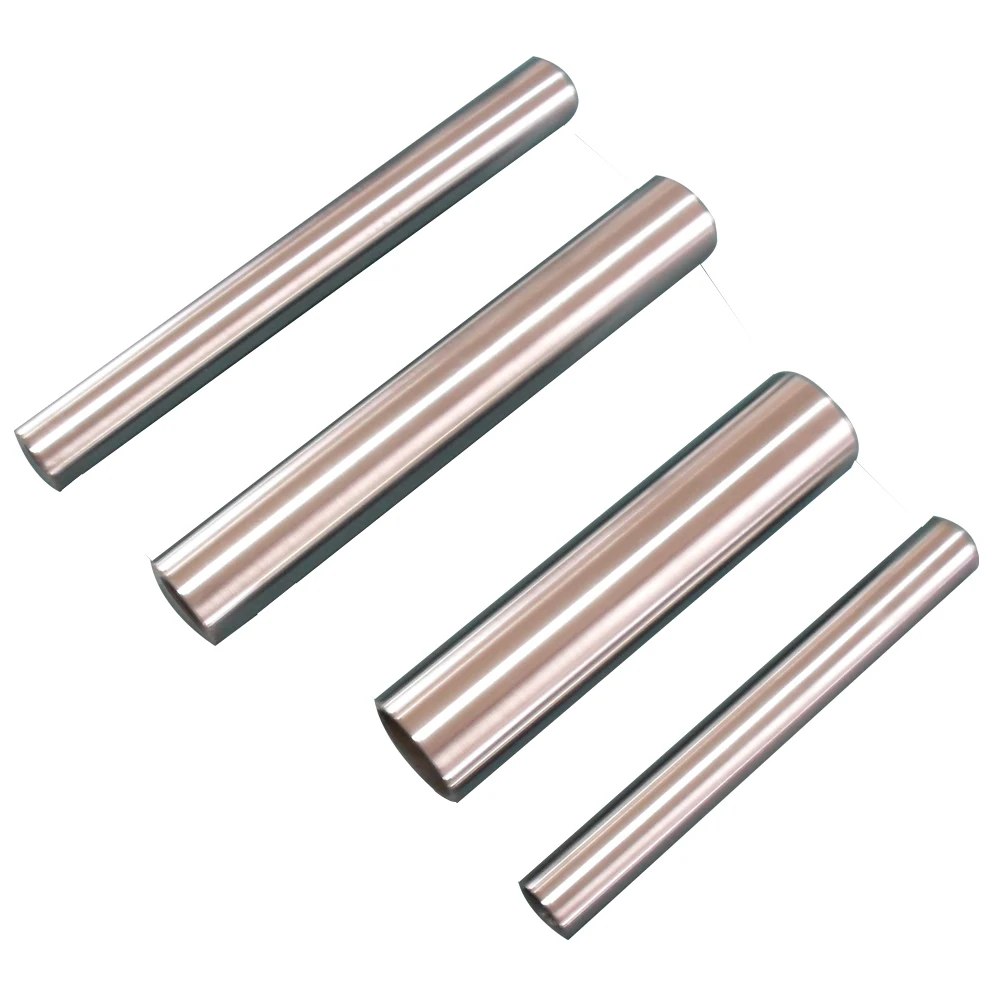
bearing block HOTO offers thousands of bearing sleeves available in SS and Alloy grades, as well as Carbon steel and bearing steel grades.
CIXI HOTO is bearing block strong quality control system. It is ISO9001: 2016 certified. ISO14001: 2016. OHSAS18001.
CIXI bearing block completed 40 production lines, which allowed for the production of a rapid lead time.
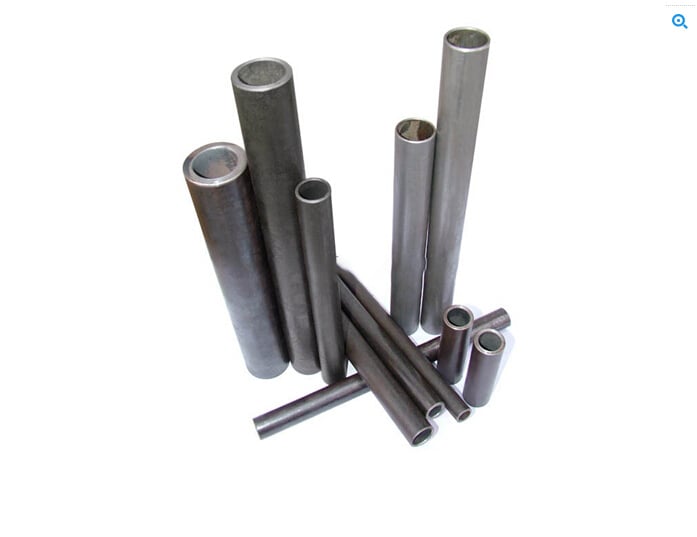
bearing block HOTO produce kinds of ball bearings, bearing component(cage sleeves, balls, sleeves, seal) and bearing steel pipe and we also provide one-stop ball bearing services and solution.

CIXI HOTO , a professional bearings manufacturer in China. we service in ball bearing , bearing components , non-standard ball bearing and bearing equipment.
No.446, Xinxing 2 Road, High-Tech Industrial Area, Cixi 315303, Ningbo City, China
Copyright © Cixi Hoto Metallic Product Co.,Ltd. All Rights Reserved - Privacy Policy
 EN
EN