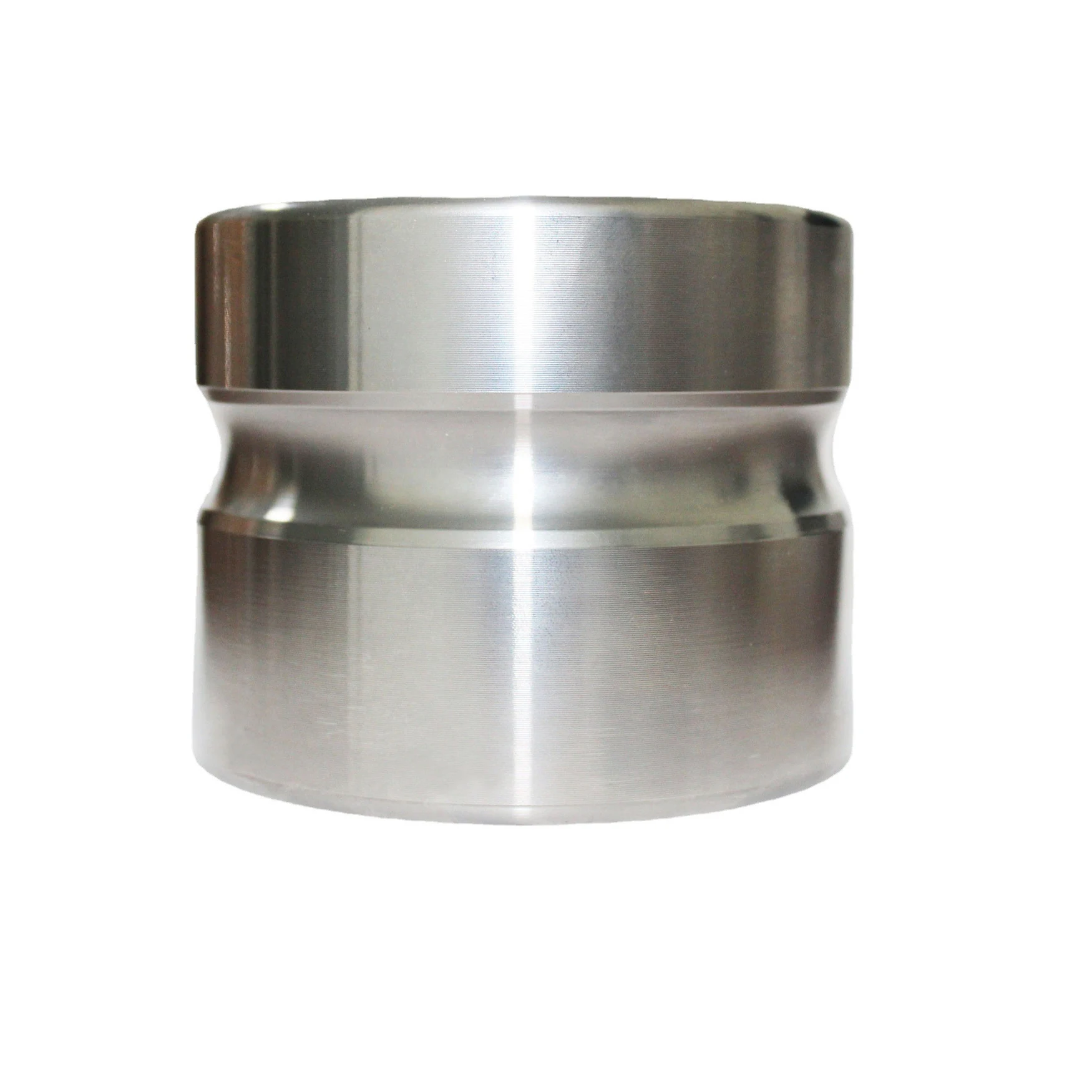
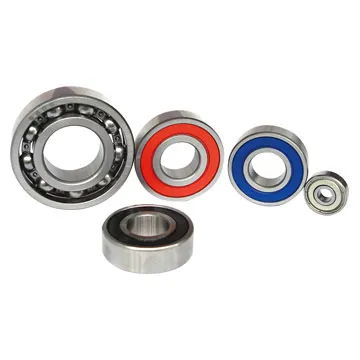
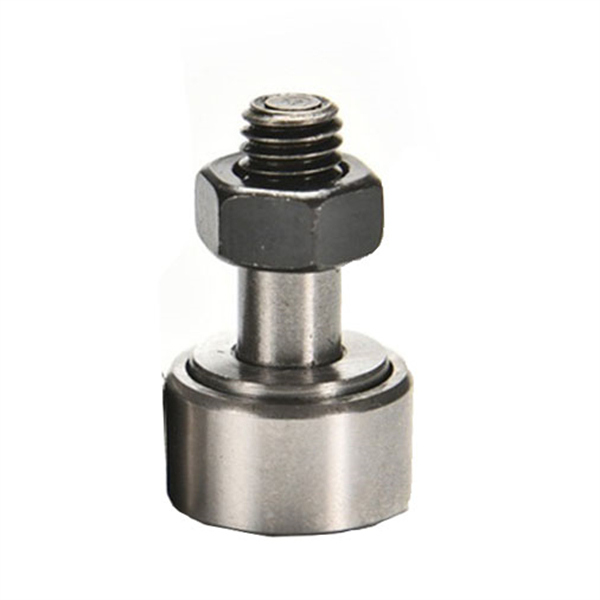
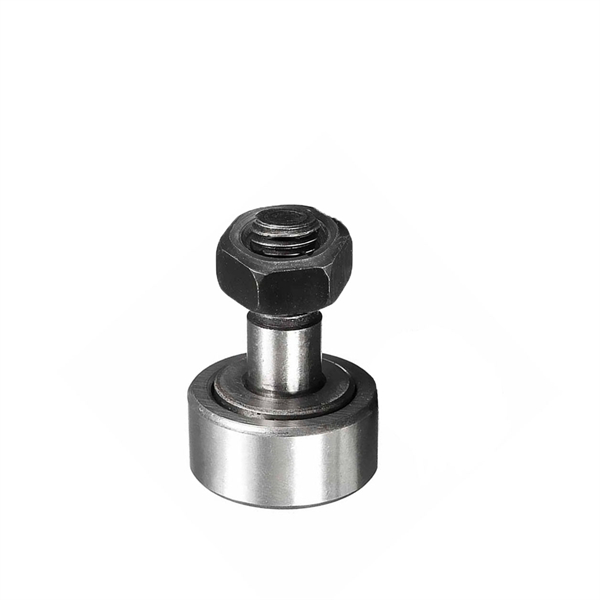
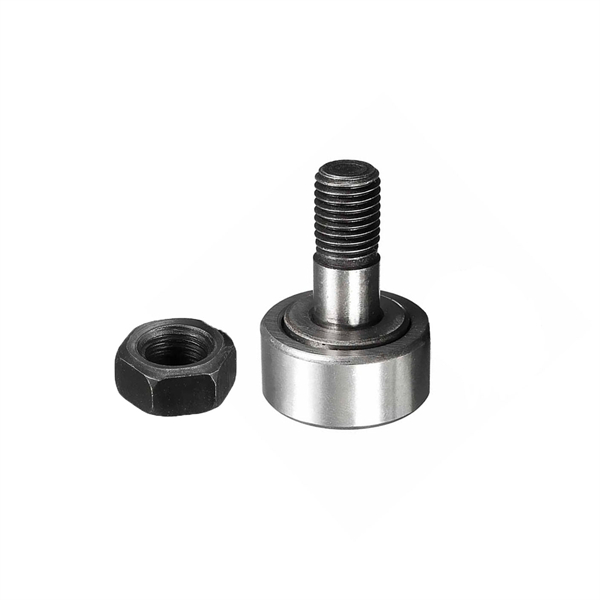
The bearing sleeve is actually a special type of bolt that has a small metal ring, which is called a bearing, in the bolt. The bearing is used to prevent excessive friction between those two surfaces. Friction is the force that opposes the sliding motion of objects. A bearing is easy to spin between the two parts when the bearing bolt is tightened. The spin also allows for even distributing of weight across the surfaces, allowing parts to last longer and mesh better.
There are various bearing bolt types, and each type is meant for a certain work. The sleeve bearing bolt is one of the most prominent types. This type is commonly used in machines that have rotating or spinning components such as motors or engines. All of this keeps everything in check, and so does the sleeve bearing bolt.
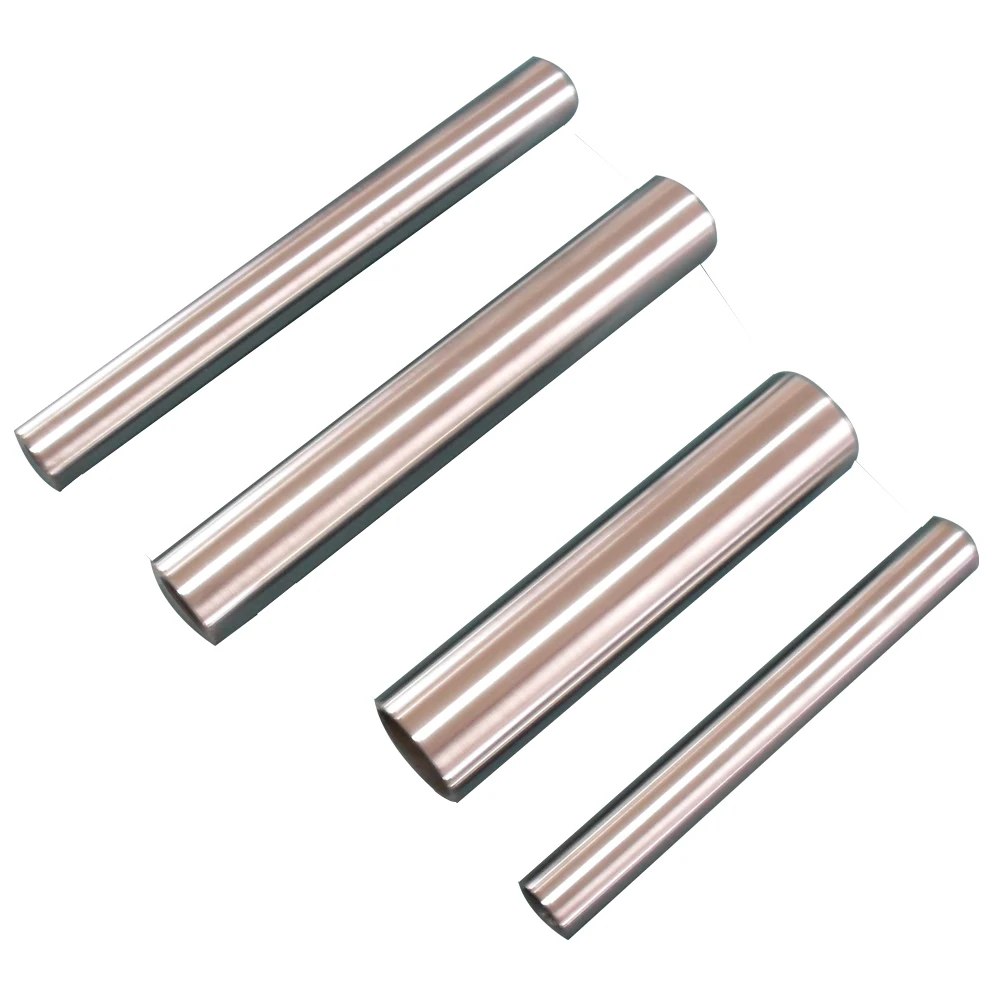
The bolt's material also matters. Wherever rust may be a factor, stronger materials, such as stainless steel are often used. Rust is corrosive and can actually compromise metal and make it unsafe. Conversely, for less critical jobs you may use less strong materials as these applications do not need to support heavy loads.
Not tightening bearing sleeve typess is one of the most common issues people encounter. Too loose of a bolt may result in insufficient fastening of the two sections, resulting in premature wear and tear. If on the other hand, a bolt is over-tightened, the bolt could snap, or damage the threads on either the bolt or the parts it is joining can occur.

Another issue is rust. Rust can appear on the metal when machines are exposed to moisture, such as water or humidity. That rust can corrode the bolt and it loses efficacy. To prevent these mistakes, it is essential to follow the proper specified procedures every time you tighten a bolt. Just as important is using the right material for the job.

Bearing bolts can last for a long time when they are installed and used correctly. When it comes to putting in a bolt, you must clean its threads and put in the proper torque specs, or guidelines for how tight to really turn the bolt. Torque Wrench The use of a torque wrench is very useful because it ensures that the bolt is neither loose nor tight.

In conclusion, choosing the proper size and material for bearing bolts is critical for the safe and effective operation of machinery. Young readers will gain a better understanding of this important part of engineering through learning about different types of bearing bolts, their uses, and how to take care of them.
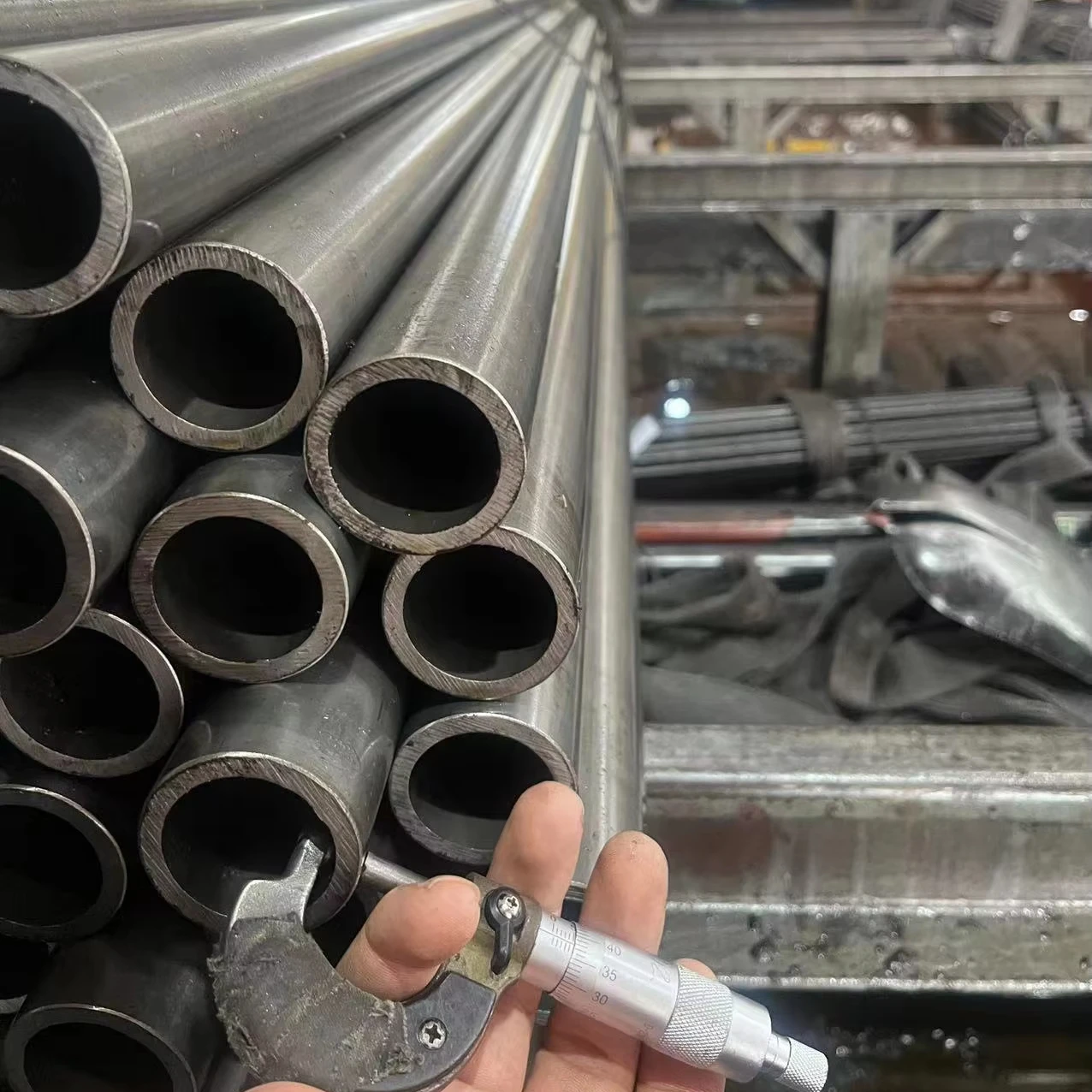
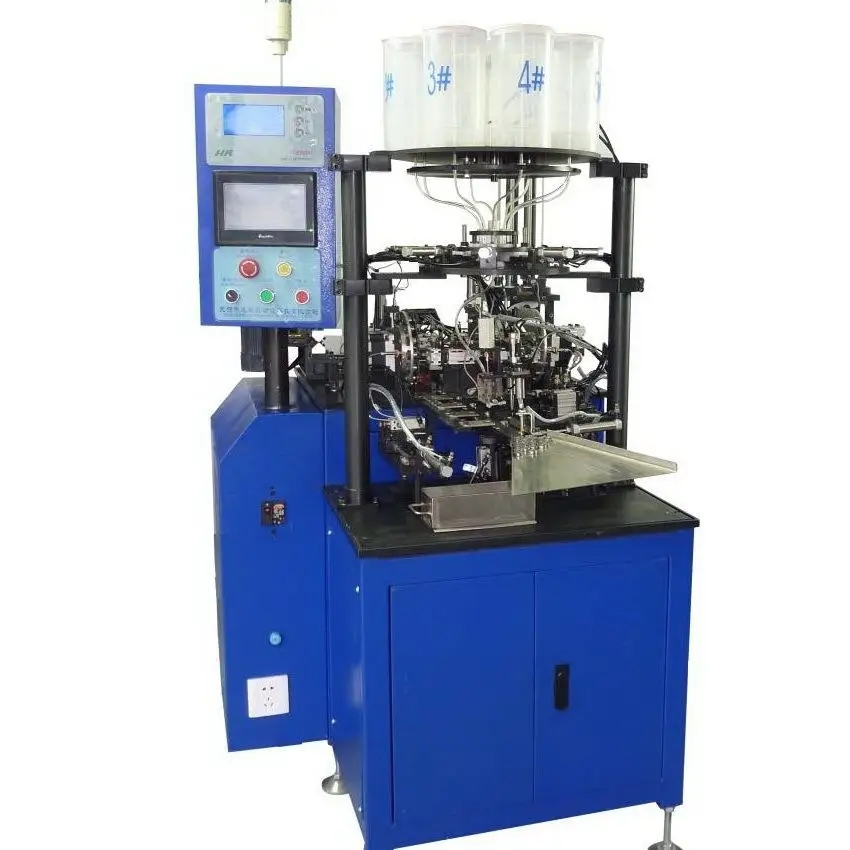
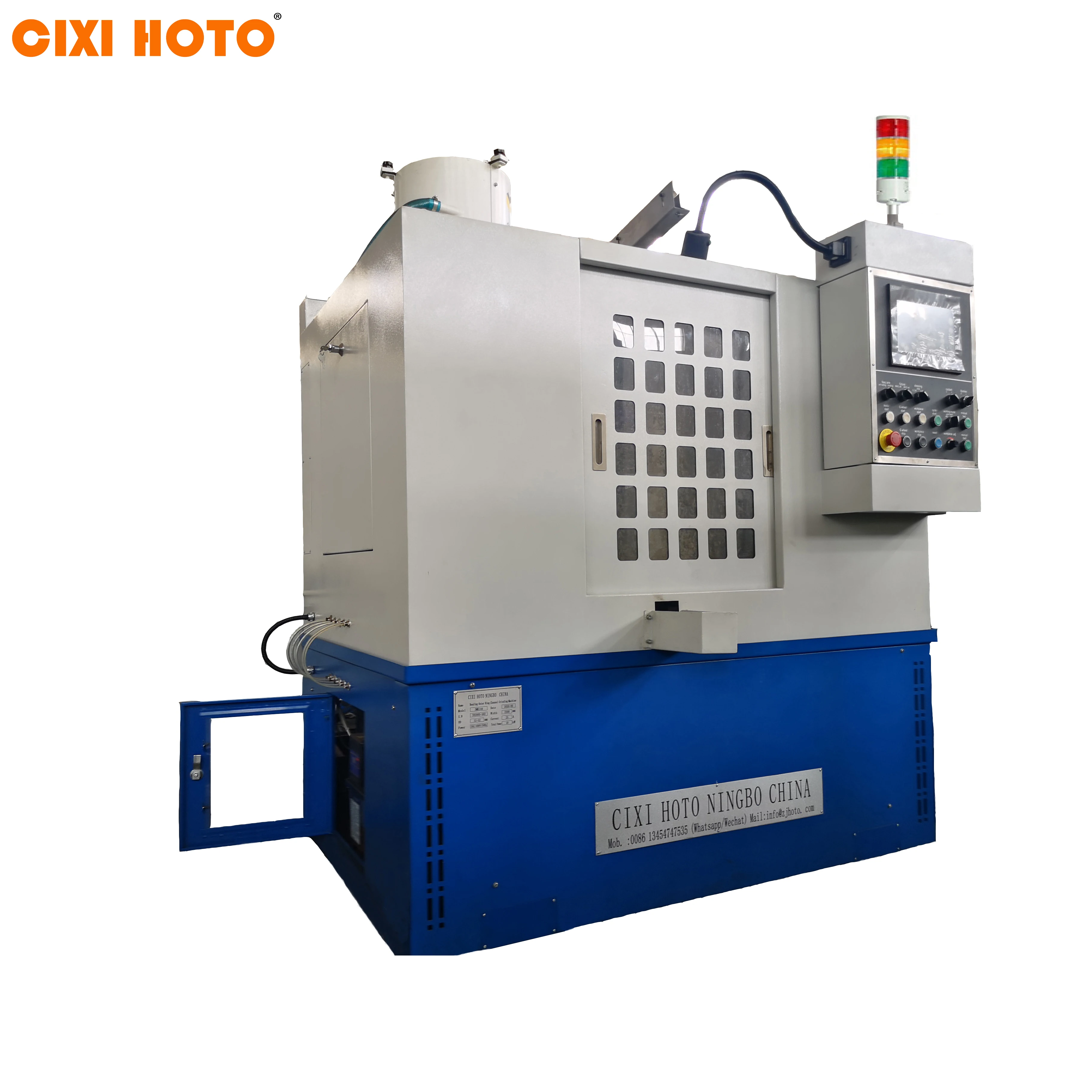
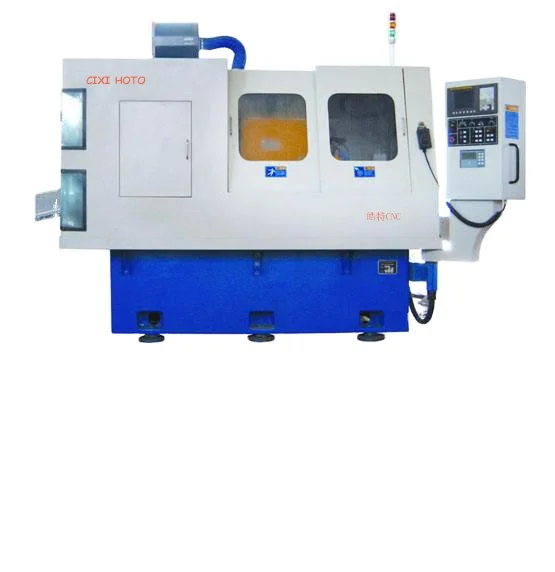
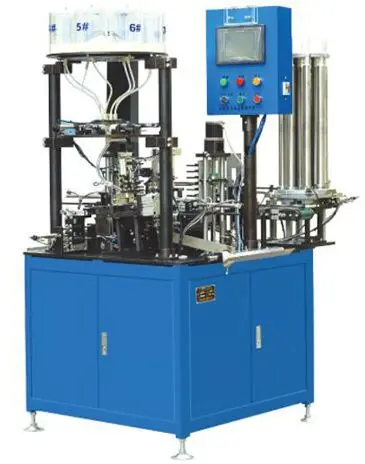
CIXI HOTO bearing bolt thousand of products of OEM/Nonstandard bearing sleeves products material grade SS bearing steel, alloy and Carbon steel.
CIXI bearing bolt completed 40 production lines, which allowed for the production of a rapid lead time.
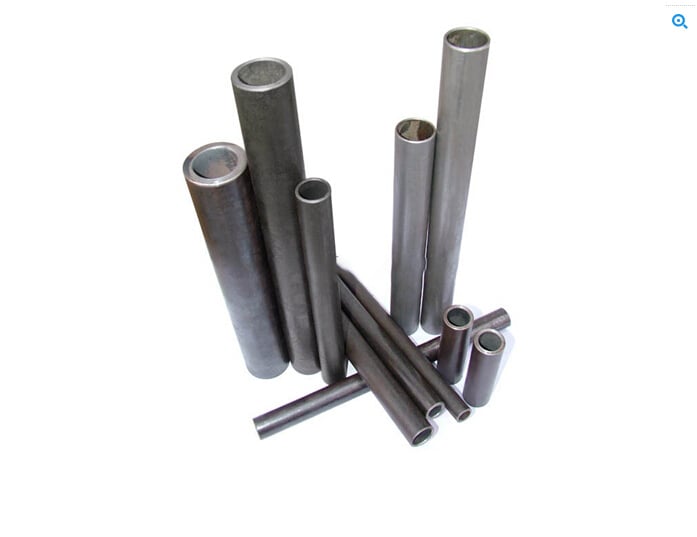
CIXI HOTO bearing bolt different types of ball bearings. The bearing component (cage, sleeves balls seal) and bearing steel tube and provides an all-in-one solution for ball bearings.
CIXI HOTO is a strong quality bearing bolt to ensure quality control. It is ISO9001-2016 certified. ISO14001: 2016. OHSAS18001.