
 EN
EN
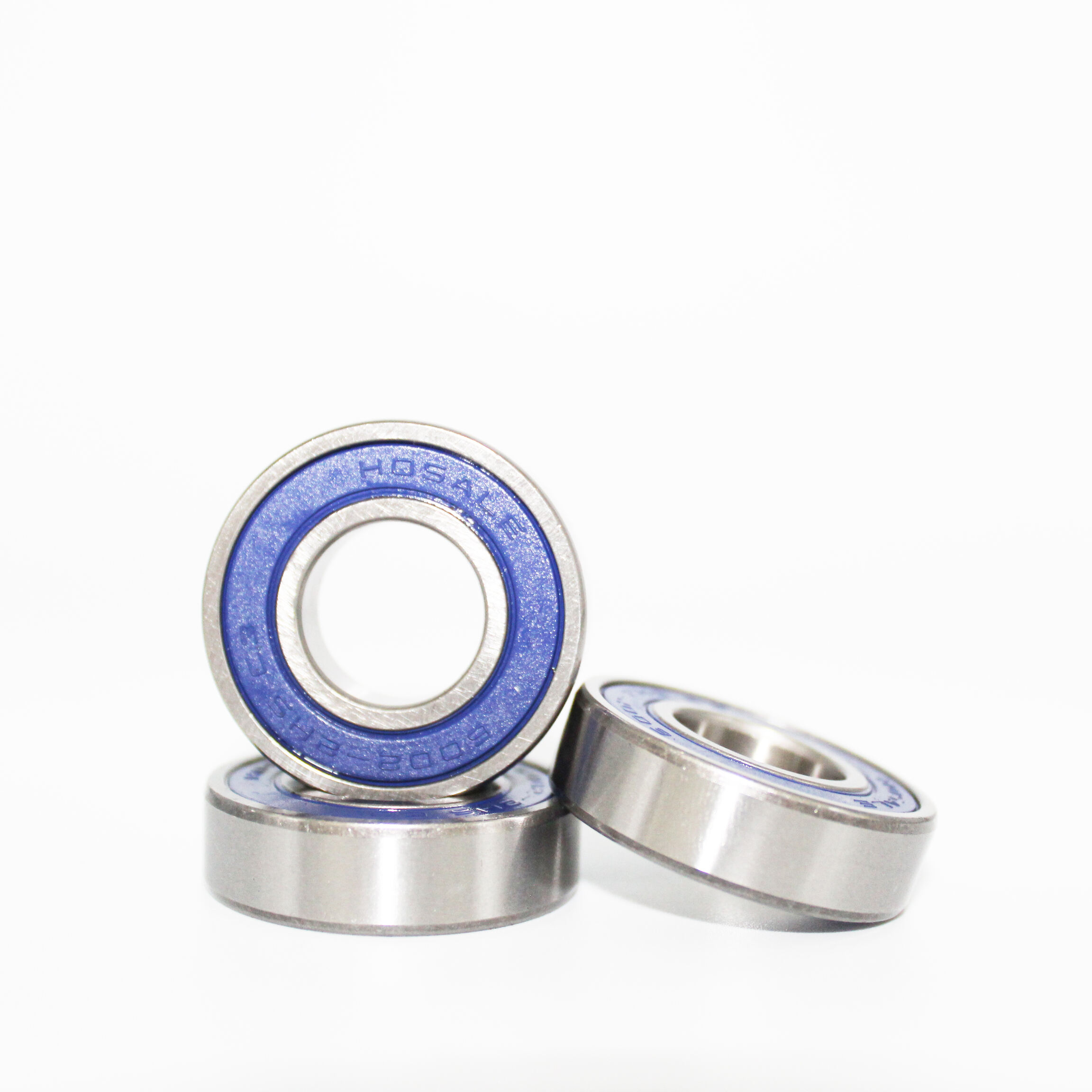
Im Zeitalter von Industrie 4.0 sind Roboterarme zum Rückgrat der modernen Fertigung, der medizinischen Chirurgie und der Präzisionsmontage geworden. Ob ein mikroskopisch kleines elektronisches Bauteil gehoben oder eine Hochgeschwindigkeits-Schweißung auf einer Automobilproduktionslinie durchgeführt wird – der Wert eines Roboters wird durch zwei Kennzahlen definiert: Genauigkeit und Wiederholgenauigkeit.
Während ausgeklügelte Software und Sensoren als das „Gehirn“ fungieren, bestimmen die mechanischen „Gelenke“ die physikalischen Leistungsgrenzen. Hier werden hochpräzise Lager zu den unauffälligen Helden der Roboterbewegung.
Eliminierung von Rundlaufungenauigkeiten für Positionierung im Mikrometerbereich
Ein Roboterarm besteht aus einer Reihe verbundener Segmente. Jeder noch so kleine Fehler an der Basis oder am ersten Gelenk wird exponentiell am Endeffektor (der „Hand“) verstärkt. Wenn ein Lager selbst geringfügige radiale oder axiale Rundlaufungenauigkeiten aufweist, weicht der Werkzeugmittelpunkt (TCP) des Roboters von seiner vorgesehenen Bahn ab.
Hochpräzisionslager von Cixi Hoto werden mit strengen Toleranzen (wie P4- oder P2-Stufen) konstruiert. Durch die Minimierung von Rundlaufabweichungen stellen unsere Lager sicher, dass jede Bewegung – von einer weiten Drehung bis hin zu einer winzigen Justierung – mit absoluter Genauigkeit ausgeführt wird. Dieses Maß an Kontrolle ist entscheidend für Anwendungen wie die Leiterplattenbestückung, bei denen eine Abweichung um wenige Mikrometer zum Produktfehler führen kann.
Verbesserung der Systemsteifigkeit und Lastaufnahme
Roboterachsen müssen komplexen Kräften standhalten, einschließlich radialer, axialer und Momentenlasten, insbesondere wenn der Arm vollständig ausgefahren ist oder schwere Lasten trägt. Wenn ein Lager nicht ausreichend steif ist, kommt es unter Last zu elastischer Verformung, was zu „Durchhängen“ oder Vibrationen führen kann.
Hochpräzise Lösungen wie die Rillenlauf-Lager von Cixi Hoto bieten außergewöhnliche Steifigkeit. Indem sie die strukturelle Integrität unter Belastung aufrechterhalten, verhindern diese Lager unerwünschte Schwingungen und sorgen dafür, dass der Arm bei schnellen Stopps und Starts stabil bleibt. Diese Steifigkeit ist der Geheimnis hinter der „scharfen“ und fließenden Bewegung, die bei High-End-Industrierobotern zu beobachten wird.
Verringerung der Reibung für eine reibungslose und vorhersehbare Bewegung
Glattheit ist entscheidend für die Regelkreise von Servomotoren. Hohe Reibung oder „Klebereibung“ (statische Reibung) kann ruckartige Bewegungen verursachen, bekannt als Stick-Slip-Effekt, der Sensoren verwirrt und die Genauigkeit beeinträchtigt.
Durch die Nutzung optimierter Laufbahngeometrien und hochwertiger Materialien reduzieren Cixi Hoto Lager das Reibungsmoment erheblich. Geringere Reibung bedeutet, dass Motoren schneller und präziser auf Software-Befehle reagieren können. Zudem entsteht weniger Wärme, wodurch thermische Ausdehnung der Bauteile vermieden wird – eine häufige, aber oft übersehene Ursache für Genauigkeitsverluste über längere Arbeitsschichten.
Fazit
Hochpräzise Lager sind nicht nur Bauteile; sie bilden die Grundlage für die Zuverlässigkeit von Robotern. Durch die Wahl hochwertiger Lager können Hersteller engere Toleranzen, kürzere Zykluszeiten und eine längere Nutzungsdauer ihrer Automatisierungsinvestitionen erreichen.
Bei Cixi Hoto spezialisieren wir uns darauf, die Präzision bereitzustellen, die die Welt voranbringt. Unsere Lagerlösungen sind darauf ausgelegt, den hohen Anforderungen der nächsten Generation von Robotik gerecht zu werden.