
 EN
EN
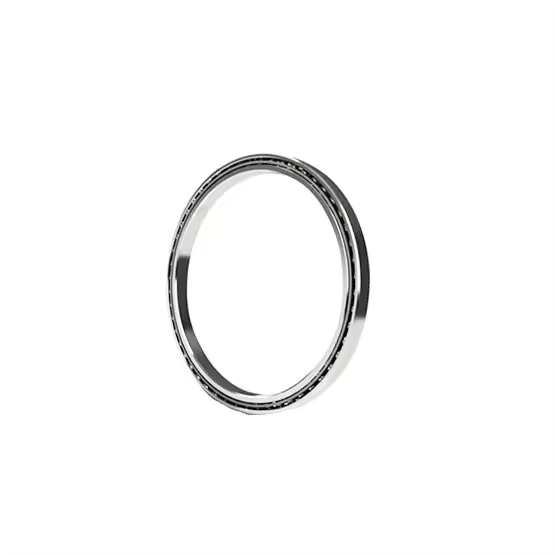
Ultra-thin wall ball bearing units are becoming a big deal in robotics. These tiny parts help machines move smoothly and do their work better. These metric sleeve bearings are special because they take up less space while still being very strong. At CIXIHOTO, we make these parts and know how important they are in making robots work well. From robots in factories to those in hospitals, ultra-thin wall ball bearing units play a key role in their success. This article talks about why these ball bearings are essential in robotics and how they improve robot performance.
Why Ultra Thin Wall Ball Bearing Units Are Essential for Robotics Applications?
Ultra-thin wall ball bearing units are crucial in robotics for many reasons. First, they are super lightweight. Robots often need to move quickly, and heavy parts can slow them down. By using these lightweight bearings, robots can accelerate faster and perform tasks more efficiently. For instance, in manufacturing, robots that assemble products need to move parts around quickly. If they have heavy bearings, they will struggle to keep up with production speeds.
Second, these bearings need to fit into tight spaces. Many robots are designed to work in small or crowded areas. Traditional bearings take up too much room and can’t fit in these places. Ultra-thin wall ball bearing units, on the other hand, are designed to be compact. This allows robots to operate in smaller environments without sacrificing performance.
Additionally, they help reduce friction. Friction can cause parts to wear out quickly and can make robots less efficient. Ultra-thin wall ball bearings are designed to move smoothly, so they create less friction. This means robots can work harder and longer without breaking down or needing repairs.
Lastly, these bearings are built to last. They are made from strong materials that can handle a lot of stress. In robotics, where machines often face tough conditions, this durability is essential. If a bearing fails, it can stop the entire robot from working. Using ultra-thin wall ball bearing units helps ensure that robots keep running smoothly, which is vital in industries like automotive and healthcare.
How Ultra Thin Wall Ball Bearing Units Improve Robotics Performance?
Ultra-thin wall ball bearing units significantly improve robotics performance in various ways. First, they enhance speed. Since these bearings are lightweight and have less friction, robots can move faster. Imagine a robot arm that needs to pick up and place items on a conveyor belt. If it has heavy bearings, it will take longer to do each task. With ultra-thin wall bearings, the arm can move quickly and accurately, leading to higher productivity.
Another important factor is precision. Robots often need to perform tasks that require a high level of accuracy. For example, in surgery, robotic arms must make very precise movements. If the bearings are not designed for precision, the robot might not perform correctly. Ultra-thin wall ball bearing units allow for smooth and exact movements, making it easier for robots to complete their tasks successfully.
Moreover, these bearings contribute to better energy efficiency. Robots that use traditional bearings often consume more power because they have to work harder to overcome friction. In contrast, ultra-thin wall ball bearings reduce energy loss, meaning robots can operate longer on the same amount of power. This is not only good for the environment but also helps companies save on energy costs.
Finally, the reliability of ultra-thin wall ball bearing units cannot be overlooked. When robots are used in critical environments such as hospitals, any malfunction can have serious consequences. These bearings are built to withstand wear and tear, ensuring that robots can function without unexpected breakdowns. This reliability leads to increased trust in robotic systems, encouraging more industries to adopt robotic solutions.
At CIXIHOTO, we understand how vital ultra-thin wall ball bearing units are in robotics, and we are committed to producing high-quality bearings that meet the needs of modern robotics.
Common Usage Issues with Ultra Thin Wall Ball Bearing Units in Robotics
When we talk about ultra-thin wall ball bearing units, we’re talking about small, round parts that help robots move smoothly. These tiny parts are very important, but they can also have some problems. One common issue is that they can be too weak. Because they are so thin, they may not hold up well under heavy loads. If a robot is lifting something heavy, these thin bearings might break or wear out quickly. This ball bearing pipe can make the robot stop working, which is not good, especially in factories where robots need to work all day.
Another problem is that ultra-thin wall ball bearing units can be sensitive to dirt and dust. If they get dirty, they can’t move as freely, which makes the robot slower. This can be a big issue in environments like factories or construction sites where dust is everywhere. Keeping these parts clean takes extra effort, which means workers need to spend more time checking and fixing robots. Lastly, these ball bearing units can be tricky to install. If they are not put in correctly, they might not work at all. This can lead to more time spent fixing mistakes instead of making robots work better.
What Are the Advantages of Using Ultra Thin Wall Ball Bearing Units in Robotics?
Even with the problems, ultra-thin wall ball bearing units have many great benefits that make them a popular choice in robotics. One of the biggest advantages is their size. Because they are thin, they can fit into smaller spaces. This is very important for robots that need to move in tight areas. For example, if a robot needs to pick up something from a small shelf, thin bearings can help it fit and work better.
Another advantage is that these bearings are very light. This means that robots using them can move faster and more easily. If a robot is lighter, it can use less energy, which is good for saving power. Ultra-thin wall ball bearing units also help robots be more precise. When a robot needs to make small movements, these bearings allow for smoother and more accurate actions. This is very helpful in tasks like assembling tiny parts or doing detailed work.
Additionally, ultra-thin wall ball bearing units can help reduce friction. This means that robots can work without using too much energy. When there is less friction, robots can move quickly and smoothly, making them more efficient. All these advantages make ultra-thin wall ball bearing units a great choice for many robots used in different industries.
How Ultra Thin Wall Ball Bearing Units Enhance Robotics Efficiency and Reliability?
Ultra-thin wall ball bearing units play a big role in making robots more efficient and reliable. Efficiency means that robots can do their jobs faster and better, while reliability means that they work without breaking down. With ultra-thin bearings, robots can move more smoothly and quickly. This is because these bearings reduce the friction between moving parts. When there is less friction, robots can complete tasks in less time. This is very important in places like factories, where every second counts.
These ball bearing units also help robots stay reliable over time. When robots use ultra-thin wall ball bearings, they experience less wear and tear. This means they don’t break down as often, which helps businesses save money on repairs. If a robot can work for a long time without needing a fix, it can help a company produce more goods. This is why many companies like CIXIHOTO choose ultra-thin wall ball bearing units for their robots.
In addition to being efficient and reliable, these bearings also help improve the overall design of robots. Because they are so thin, engineers can create robots that are smaller and lighter. This makes it easier for robots to move and perform tasks in tight spaces. Also, lighter robots use less energy, which is good for the environment and can lower costs for companies. By using ultra-thin wall ball bearing units, CIXIHOTO is helping to create robots that are not only smart but also capable of working hard and long without breaking down. This combination of efficiency, reliability, and smart design is what makes thin wall ball bearing units so important in the world of robotics.
Table of Contents
- Why Ultra Thin Wall Ball Bearing Units Are Essential for Robotics Applications?
- How Ultra Thin Wall Ball Bearing Units Improve Robotics Performance?
- Common Usage Issues with Ultra Thin Wall Ball Bearing Units in Robotics
- What Are the Advantages of Using Ultra Thin Wall Ball Bearing Units in Robotics?
- How Ultra Thin Wall Ball Bearing Units Enhance Robotics Efficiency and Reliability?