
 EN
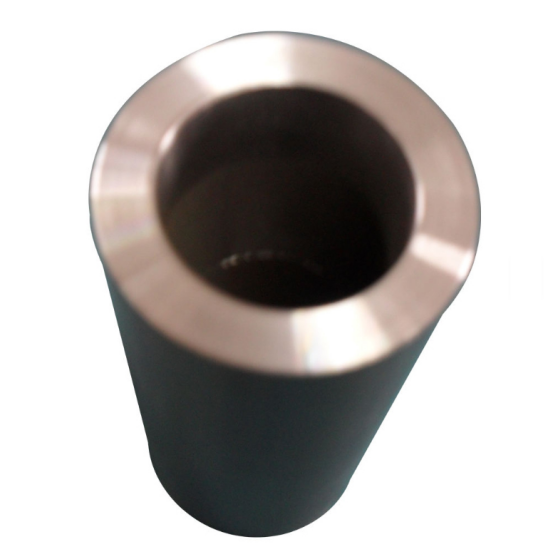
Strength and toughness are what helps hold seamless pipes in place. They do not corrode and so are excellent for construction. These pipes have smooth interior to help liquids and gases to flow easily in several industries. Seamless pipes require less welding work and auxiliary parts, enabling the construction and maintenance of a more cost-effective system.
In construction and manufacturing processes
Seamless pipes are very strong and highly damage-resistant. These pipes survive from hard conditions that builders can rely on their buildings to remain standing with little damage for many years because the bearing pipe are tough. That's why they're great for applications like buildings and bridges that help engineers keep structures safe and strong.
Seamless pipes have a much smoother inner wall which improves liquid and gas flow.
These pipes are uniform — no bumps, no rough edges — so things flow through them smoothly. That matters in industries such as oil and gas, where a well-maintained flow keeps everything in good operating order. Seamless ball bearing pipe are readily available for manufacturers because they aid in ensuring the smooth functioning of the work by overcoming the obstacles posed by uneven surfaces.
With the use of seamless pipes
We require lesser welding and lesser additional parts which may reduce construction and maintenance costs. More time and money are spent with welding and other additions, but seamless pipes assist in avoiding these quite as they are one solid element. That enables construction projects to be completed more quickly and at lower cost, allowing companies to save time and money. Also, seamless pipe require less maintenance and can thus reduce the long-term cost of keeping a building in good condition.
These pipes are manufactured based on new techniques that guarantee the dimensions and dependability.
When creating things, it’s vital to have appropriate dimensions, and smooth pipes are made to have this in research. Advanced manufacturing makes the pipes fit right every time so builders can rely on everything working in their designs. This quality level means that you can rely on seamless pipes for tons of construction and manufacturing use cases.
Material Selection and Corrosion Resistance
Pipe performance depends greatly on the material used in manufacturing. Carbon steel, alloy steel and stainless steel offer different levels of strength, toughness, temperature resistance and corrosion protection. Buyers should select a material according to the fluid, pressure, temperature and surrounding environment. Although seamless pipes are often chosen for demanding applications, no material is corrosion-proof in every condition. Protective coatings, suitable steel grades and regular inspections may still be necessary, especially where pipes are exposed to moisture, chemicals or outdoor conditions. For bearing pipe applications, the steel grade should also match the intended manufacturing process.
Reliable Performance Under Pressure and Temperature
Many industrial systems transport liquids or gases under pressure. The pipe's outside diameter, wall thickness, material grade and manufacturing quality all influence safe operation. Seamless pipes are produced without a longitudinal weld seam, which can be an advantage in certain high-pressure applications. However, pressure capacity must be confirmed through engineering calculations and applicable standards. Temperature is another important factor because heat can affect material strength and dimensional stability. Before choosing seamless pipes, users should check design pressure, working temperature and technical specifications instead of comparing products by appearance or price alone.
Quality Control During Manufacturing
Consistent quality is essential for pipes used in construction, machinery and industrial equipment. Manufacturers may check chemical composition, dimensions, wall thickness, straightness and surface condition. Depending on the application, additional inspections such as ultrasonic, eddy-current or hydrostatic testing may be required. These procedures help identify internal or surface defects before delivery. For seamless pipes used in critical systems, inspection records and material traceability give buyers confidence that products meet agreed requirements. Buyers should confirm available certificates, tolerances and testing scope before placing a bulk order.
Choosing the Correct Size and Specification
Selecting the right pipe involves more than measuring its length. Buyers should confirm outside diameter, wall thickness, material grade, tolerance, end finish and delivery condition. A pipe that is too thin may not provide the required strength, while an unnecessarily thick pipe can increase weight and project cost. Specifications should match the system design, installation method and operating conditions. When ordering seamless pipes, provide drawings or a detailed specification sheet to the supplier. This helps compare quotations and reduces the risk of receiving products that do not fit the project.
Installation and Ongoing Maintenance
Even high-quality pipes need proper handling and installation. Store pipes on suitable supports, protect them from standing water and avoid surface damage. Before installation, inspect the ends and surfaces, verify dimensions and remove dirt or foreign material. Correct alignment and suitable connection methods help reduce unnecessary stress. Although seamless pipes can reduce the need for some welded joints, welding may still be required to connect sections or fittings, depending on the design. After installation, check regularly for leakage, corrosion, vibration and deformation to identify problems early and support a longer service life.
Applications Across Different Industries
Because of their strength and range of available specifications, seamless pipes are used in construction, oil and gas, power generation, automotive manufacturing and general engineering. They may be selected for structural supports, fluid transportation, hydraulic systems and mechanical components. Each application has unique requirements, so one pipe grade should not be assumed to suit every purpose. Matching material, size and testing requirements to the intended use can improve system reliability and control lifecycle costs. An experienced supplier can help customers confirm product details, compare options and source seamless pipes that fit their project needs.
Table of Contents
- In construction and manufacturing processes
- Seamless pipes have a much smoother inner wall which improves liquid and gas flow.
- With the use of seamless pipes
- These pipes are manufactured based on new techniques that guarantee the dimensions and dependability.
- Material Selection and Corrosion Resistance
- Reliable Performance Under Pressure and Temperature
- Quality Control During Manufacturing
- Choosing the Correct Size and Specification
- Installation and Ongoing Maintenance
- Applications Across Different Industries