
 EN
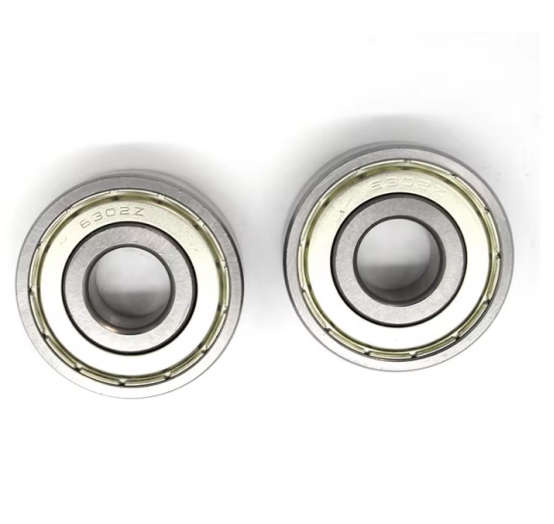
Selecting the right machine is critical when you need to produce ball bearings in your facility. We understand how critical it is to select the right ball bearing making machine for your requirements at CIXIHOTO. There are various machines, and picking the right one for your factory may be tough. To assist you, we’ve put together this guide to help you choose the best machine for your needs.
Different Types of Ball Bearing Machines
These are the different types of ball bearing making machine you can get. Here are some common ones:
Single row ball bearing machine: This Bearing machine is used for the manufacturing of single-use ball bearings. Factories that require precision and high consistency in their ball bearings will find this great for them.
Double-row ball bearing machine: This Bearing and Bearing Sleeve machine produces double-row ball bearings. It is good for factories that have to produce ball bearings with the highest weight bearing capacity.
Angular contact ball bearing machine – This machine is used for angular contact ball bearings. These Deep Groove Ball Bearing can accommodate both lateral and axial loads. Solution A is great for factories with versatility in ball bearings.
A few considerations for selecting a machine:
Here a few things to consider when selecting a ball bearing making machine for your factory:
Production capacity: See how many ball bearings the machine can produce and determine if it is sufficient for your factory.
Product Compatibility and Specification Range
Before purchasing a ball bearing making machine, confirm that it can manufacture the bearing types and dimensions required by your customers. Different products have different requirements for inner diameter, outer diameter, width, ball size and internal structure. For example, a production line making deep groove ball bearings may need different tooling and process settings from equipment used for angular contact ball bearings. Ask the supplier for the supported size range, technical specifications and available configurations. It is also useful to provide product drawings or samples so the machine configuration can be checked before an order is placed.
Automation and Ease of Operation
The level of automation can have a direct effect on production efficiency and labor requirements. Some factories may need a fully automatic ball bearing making machine for continuous, high-volume production, while smaller manufacturers may prefer a semi-automatic solution with a lower initial investment. Consider the feeding system, control panel, monitoring functions and changeover process. A clear operating interface can reduce training time and help operators adjust production parameters correctly. Make sure the automation level matches the skills of your workers and the actual production plan.
Maintenance Requirements and Spare Parts
Maintenance should be considered before selecting any bearing manufacturing machine. Ask how often key components need inspection, cleaning, lubrication or replacement. Check whether commonly used spare parts are readily available and whether the supplier can provide maintenance instructions. A machine that is easy to inspect and service can reduce downtime and help maintain stable output. You should also understand the expected service life of critical components and the support available if a fault occurs. These details are important when calculating the long-term value of bearing production equipment.
Operating Costs and Factory Conditions
The purchase price is only one part of the total investment. Electricity consumption, labor, tooling, consumables, maintenance and installation can all affect operating costs. Before choosing a ball bearing making machine, check its power requirements, floor space, foundation requirements and supporting equipment. The factory should also have suitable ventilation, lighting and a safe operating area. Comparing the total cost of ownership, rather than the initial price alone, can help you make a more practical purchasing decision.
Testing and Supplier Support
If possible, request a demonstration or production test using the specifications of the bearings you intend to manufacture. A test can help you evaluate production speed, dimensional consistency, operating stability and the ease of changing settings. Ask the supplier what inspection records, installation guidance, operator training and after-sales services are included. Reliable technical support is especially valuable when installing a new bearing production line or introducing a new product. Clear communication before purchase can prevent misunderstandings about machine capabilities and delivery arrangements.
Plan for Future Production Needs
Your factory's requirements may change as orders increase or customers request different bearing sizes. Consider whether the selected equipment can be upgraded, fitted with additional tooling or integrated into a larger production line. Choosing a suitable ball bearing making machine with room for future development can help avoid replacing equipment too soon. However, it is not necessary to pay for functions that your factory will not use. The best choice is a machine that meets current production needs while providing reasonable flexibility for future orders.
Conclusion
Choosing the right ball bearing making machine requires a clear understanding of product specifications, production volume, precision requirements and operating costs. By comparing machine configuration, automation, maintenance needs and supplier support, manufacturers can make a more informed decision. Whether your factory produces single-row bearings, double-row bearings or deep groove ball bearings, the equipment should match the required process and quality standards. CIXIHOTO can help customers review their production requirements and identify suitable bearing manufacturing solutions for reliable and efficient operation.
Precision and accuracy: You want a machine that is very precise and accurate, especially when ball bearings are involved. This helps keep quality high.
Durability and reliability: The Sturdy and reliable machine is the one you need. In this way, the maintenance costs remain low by reducing downtime.
Table of Contents
- Different Types of Ball Bearing Machines
- A few considerations for selecting a machine:
- Product Compatibility and Specification Range
- Automation and Ease of Operation
- Maintenance Requirements and Spare Parts
- Operating Costs and Factory Conditions
- Testing and Supplier Support
- Plan for Future Production Needs
- Conclusion