
 EN
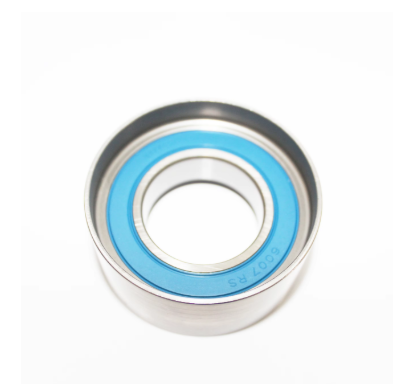
First coming to the ball bearing parts in cars. They can also be problematic at times and need repairs. Here are some red flags to look out for and how to address them.
Signs of Worn Ball Bearings:
When you start hearing grinding or squeaking in your car, it may be time to consider changing the ball bearings. You might also be realizing that your vehicle isn’t driving as smoothly as it once did. Here are signs that you may need to have your ball bearing pipe checked and even replaced.
Replacing Bad Ball Bearings: Tips and Tricks
Steps to Replace Ball Bearings in a Car: It takes some skill but can be done. To get to the bearings, you're going to need to jack the car up and remove the wheel; Next, gently take out the old bearings and replace them with new ones. Be sure to torque everything back down before lowering your vehicle.
Why Types of Ball Bearings Can Be Noisy:
It is not uncommon for the ball bearings inside a car to be noisy. One of the most common reasons behind this is lack of lubrication which can cause the bearings to rub against each other, creating friction and resulting in low performance. Sometimes, the bearings are older, and they are worn out, and they make noise while moving. It’s crucial to address these issues promptly to avoid further damage to your vehicle.
Taking Care of Ball Bearings:
Regular maintenance on your car keeps websites from wearing out too soon Keep getting the car serviced regularly and check the balls bearings at intervals for any wear. Avoid friction and damage by keeping your car properly lubricated, too. Following these practices will ultimately extend the life of your ball bearings and your car as a whole.
Finding Help for Difficult Ball Bearing Solutions:
If you have a bad ball bearing on your car and you're not sure how to fix it, it's better if you ask someone. They know how to locate and resolve all the issues related to the ball bearings in your automobile. And trying to solve difficult issues by yourself may only do more harm and money down the line. So if you need help with your car’s ball bearings , don’t be afraid to ask.”
How Driving Habits Affect Automotive Ball Bearing Life
Driving habits can also influence the service life of automotive ball bearings. Frequent driving on rough roads, sudden acceleration, heavy braking and carrying excessive vehicle loads may increase stress on bearing components. Over time, these conditions can accelerate wear and affect the smooth rotation of vehicle wheels. Drivers should avoid unnecessary overloading and pay attention to unusual sounds or vibrations during driving. Vehicles that frequently operate under demanding road conditions should receive more regular inspections. By maintaining reasonable driving habits and checking automotive ball bearings periodically, vehicle owners can reduce unnecessary wear and improve overall vehicle reliability.
How to Identify Bearing Problems Through Noise and Vibration
Different types of unusual sounds may indicate potential bearing problems. A humming or growling noise that changes with vehicle speed can sometimes be associated with worn wheel bearings. Grinding sounds may indicate more serious internal damage, while increased vibration could suggest bearing wear, improper installation or problems with other rotating components. However, these symptoms can also come from tires, brakes or suspension parts. Therefore, a professional inspection is necessary to identify the actual cause. Early diagnosis allows mechanics to determine whether the ball bearing needs lubrication, adjustment or complete replacement before additional damage occurs.
The Role of Bearing Seals in Preventing Damage
Bearing seals play an important role in protecting internal components from external contamination. During vehicle operation, automotive ball bearings may be exposed to road dust, water, mud and other unwanted particles. If these contaminants enter the bearing, they can damage the rolling elements and raceways, increasing friction and reducing operating efficiency. Sealed ball bearings help retain lubricant and prevent foreign materials from entering the internal structure. However, different automotive applications require different sealing designs. When selecting replacement bearings, buyers should consider the operating environment, temperature and protection requirements to ensure that the selected product provides suitable performance.
Why Regular Professional Inspection Is Worthwhile
Professional vehicle inspections can help identify potential bearing problems that may not be obvious during everyday driving. Mechanics can check wheel movement, bearing clearance, noise, vibration and other signs of abnormal operation. They can also determine whether the bearing has suffered from contamination, insufficient lubrication or mechanical damage. For vehicle owners, regular inspections are a practical way to prevent unexpected breakdowns and reduce long-term repair expenses. When damaged ball bearings are identified, replacing them with products that meet the original equipment specifications is essential. Proper inspection, suitable replacement parts and correct installation all contribute to safer and more reliable vehicle operation.
Table of Contents
- Signs of Worn Ball Bearings:
- Replacing Bad Ball Bearings: Tips and Tricks
- Why Types of Ball Bearings Can Be Noisy:
- Taking Care of Ball Bearings:
- Finding Help for Difficult Ball Bearing Solutions:
- How Driving Habits Affect Automotive Ball Bearing Life
- How to Identify Bearing Problems Through Noise and Vibration
- The Role of Bearing Seals in Preventing Damage
- Why Regular Professional Inspection Is Worthwhile