
 EN
EN
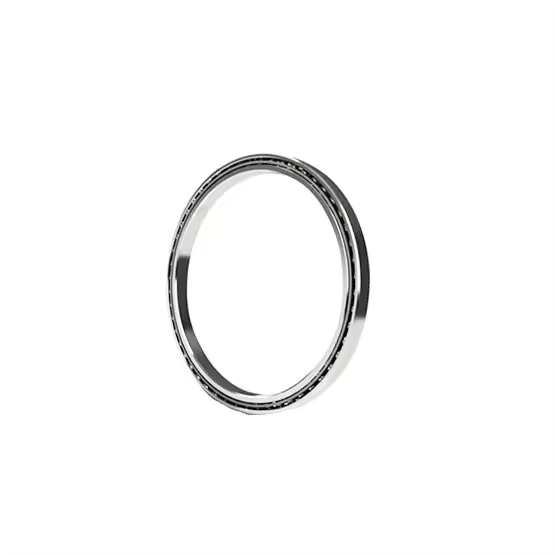
The 617 and 618 Ultra Thin Wall Ball Bearing Units are special parts that help robots move smoothly. These bearings are thin, but they are very strong. They fit into tight spaces, which is great for robotic joints. At CIXIHOTO, we make sure these ball bearings are made with high-quality materials. This helps them last longer and work better. Robots need to be fast and accurate, and using our bearings helps them achieve that. When a robot can move easily, it can do its job better. Whether in factories or in healthcare, these bearings make a big difference.
What Makes 617 & 618 Ultra Thin Wall Ball Bearings Ideal for Robotic Joints?
The 617 and 618 Ultra Thin Wall Ball Bearings are perfect for robotic joints because they are designed to be lightweight and compact. Robots often work in small spaces, so having bearings that don’t take up much room is important. These bearings have a thin wall, which allows them to fit into tight spots without adding extra weight. This is very useful in robotic arms or legs, where every little bit of weight matters. The way these bearings are made also helps reduce friction. Less friction means that robots can move faster and with more precision. Imagine trying to push a heavy box across the floor. It’s hard, right? But if you had a smooth surface underneath, it would be much easier. That’s how these ball bearing pipe work for robots. They make movement smooth and easy. Also, the materials used in the 617 and 618 bearings are tough. They can handle a lot of pressure and stress, which is what happens when robots perform heavy tasks. In addition, they are built to resist wear and tear, so they last longer even in challenging conditions. This is great because it means less downtime for repairs. Robots can keep working without interruptions. Plus, these bearings are designed to handle different temperatures and environments. Whether it’s hot or cold, they perform well. This flexibility makes them ideal for many robotic applications, from manufacturing lines to medical robots.
How to Choose the Best Ultra Thin Wall Ball Bearings for Your Robotics Applications?
When picking the right Ultra Thin Wall Ball Bearings for your robots, there are a few things to think about. First, you need to consider the size. The 617 and 618 models are very thin, but you have to make sure they fit in the space you have. Measure the area where the bearings will go. It’s important that they fit snugly but not too tight. Next, think about the load. How much weight will your robot carry? If it’s a heavy load, you may need a stronger bearing. The 617 and 618 bearings are made to handle a good amount of weight, but knowing what your robot will do helps a lot. Another thing to think about is the speed of movement. If your robot needs to move quickly, you should look for bearings that reduce friction, like the ones we offer at CIXIHOTO. They help robots move faster and more efficiently. You might also want to consider the environment. Will the bearings be in a wet or dusty place? Some bearings are made to resist dirt or moisture, which can help them last longer. Finally, check if the bearings are easy to maintain. Some models need more care than others. The easier they are to keep up with, the better it is for your robot. Take your time to research and pick the best fit for your needs. The right choice can make a big difference in how well your robot works.
Common Usage Issues with Ultra Thin Wall Ball Bearings and How to Overcome Them
When using ultra-thin wall ball bearings, like the 617 and 618 models from CIXIHOTO, there are some common problems that people might face. One issue is that these bearings can be sensitive to dirt and dust. If dirt gets inside, it can make the bearing work less effectively. This is especially true in robotic joints where movement is important. To avoid this, it’s a good idea to keep the bearings clean. You can use a soft brush or a cloth to wipe them down and make sure no dirt can get in. Another problem is that ultra-thin bearings can sometimes get damaged if they are not installed correctly. If they are squeezed too tightly, they can break or not work properly. To fix this, it's important to follow the installation instructions carefully. Make sure the bearings fit snugly but not too tight. Also, check that they are aligned correctly so they can move smoothly. Sometimes, ultra-thin bearings may not carry heavy loads well. If you try to use them in a heavy robot arm, they might wear out quickly. To solve this, you can use multiple bearings to help share the weight. This way, the load is spread out, and no single bearing has to carry all the weight. By being careful with cleanliness, installation, and weight, you can overcome these common issues and make sure the ultra-thin wall ball bearing types work well in your robotic projects.
What Are the Key Features of 617 & 618 Ball Bearing Units for Robotics?
The 617 and 618 ball bearing units from CIXIHOTO have some special features that make them perfect for robotics. First, they are ultra-thin, which means they take up less space. This is really important in robots where every bit of space matters. With their slim design, you can fit them into tight spots without any trouble. Another great feature is that they are made from strong materials. This makes them durable and able to handle a lot of movement without breaking down. These bearings can rotate smoothly and efficiently, which is very important in robotic joints. They also have a low friction design. This means that they can move easily and quickly, which helps robots to work better and faster. The 617 and 618 models are also designed to handle different temperatures. They can work in both hot and cold conditions without losing their performance. This is great for robots that might be used in different environments. Additionally, they come with seals that help keep dirt and dust out. These seals help to protect the bearings and keep them running smoothly for a long time. All these features together make the 617 and 618 ball bearing units a great choice for anyone working with robotics. They help create robots that are efficient, reliable, and ready for action.
How Ultra Thin Wall Ball Bearings Enhance Robotic Performance and Precision?
Ultra-thin wall ball bearings, like the 617 and 618 series from CIXIHOTO, play a big role in improving how robots perform. One of the most important ways they help is by allowing robots to move more precisely. Because these bearings are designed to reduce friction, they enable robotic joints to move smoothly. This means that when a robot has to grab something or move its arm, it can do so without any jerky movements. Smooth movements make the robot much more effective and accurate in what it does. Another way these bearings enhance performance is by allowing robots to work faster. With less friction, the motors need less energy to move the robot parts. This can help robots finish tasks quicker, making them more efficient. Additionally, the lightweight design of ultra-thin bearings reduces the overall weight of the robot. A lighter robot can move more easily and use less power, which is helpful in many applications. Moreover, these bearings help in creating smaller robots. Smaller robots can fit into tight spaces and do jobs that bigger robots cannot. This opens up new possibilities for where and how robots can be used. The precision and speed provided by ultra-thin wall ball bearings also improve the robot's ability to interact with the environment. They can perform tasks like picking up small objects or navigating through complex spaces more effectively. Overall, ultra-thin wall ball bearings are essential for enhancing robotic performance and precision, making robots smarter and more capable in their tasks.
Table of Contents
- What Makes 617 & 618 Ultra Thin Wall Ball Bearings Ideal for Robotic Joints?
- How to Choose the Best Ultra Thin Wall Ball Bearings for Your Robotics Applications?
- Common Usage Issues with Ultra Thin Wall Ball Bearings and How to Overcome Them
- What Are the Key Features of 617 & 618 Ball Bearing Units for Robotics?
- How Ultra Thin Wall Ball Bearings Enhance Robotic Performance and Precision?